Picture this: a rainy Thursday night, the kind where the clouds are so low you swear you can taste the humidity. I was staring at a half‑cooked pot of rice, a wilted cabbage head, and a recipe book that promised “cabbage rolls” but delivered a soggy mess that tasted like a damp garden. I threw a dare at my roommate – “I bet I can turn this disaster into something you’ll chase around the kitchen for seconds.” That night, armed with a skillet, a splash of olive oil, and a stubborn belief that comfort food can be elevated, I birthed the ultimate Cabbage Roll Casserole. The moment the sauce hit the pan, it sang a sizzle so bright it could have lit up the whole street. The aroma of caramelized onions mingled with the sweet‑tart tang of tomatoes, and the whole house seemed to inhale in unison.
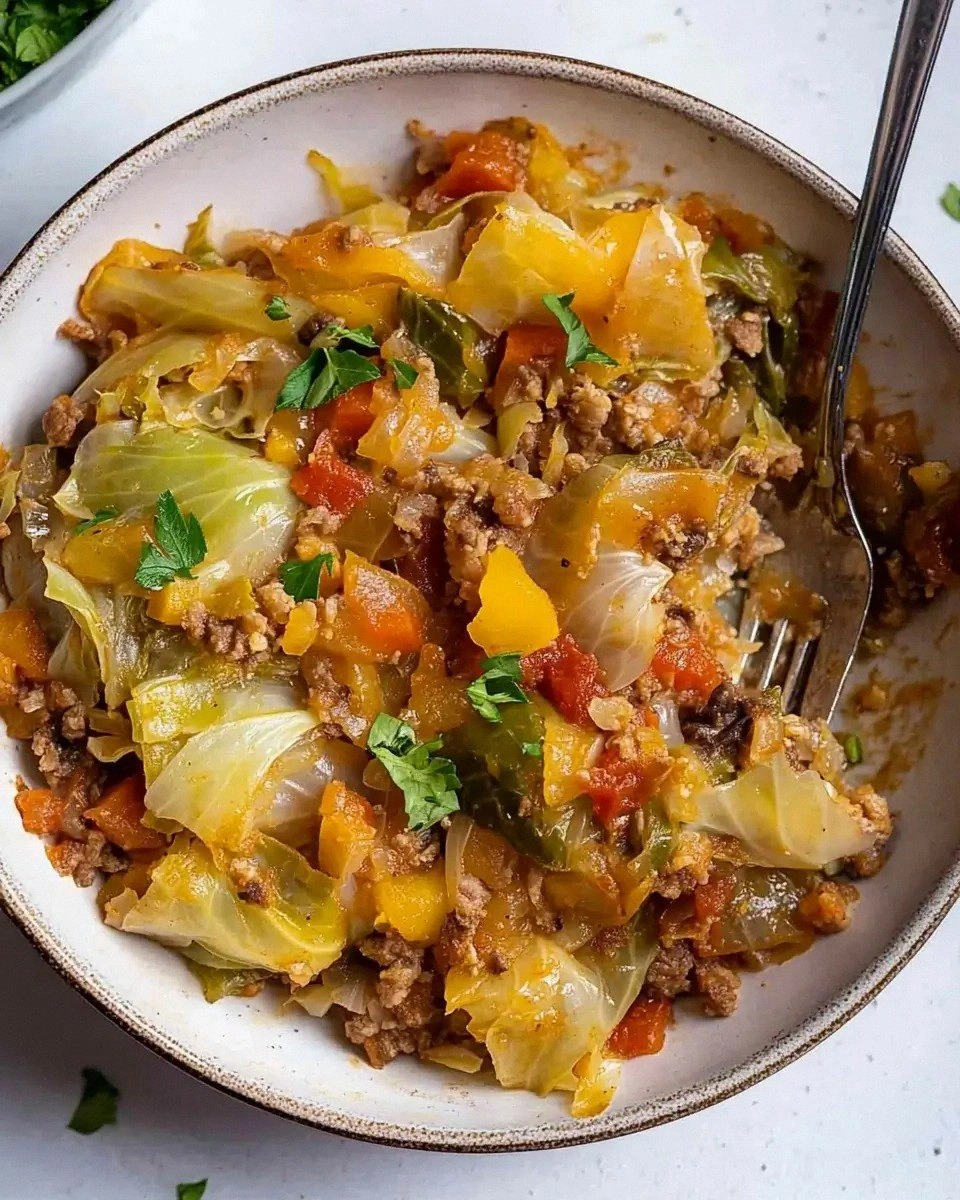
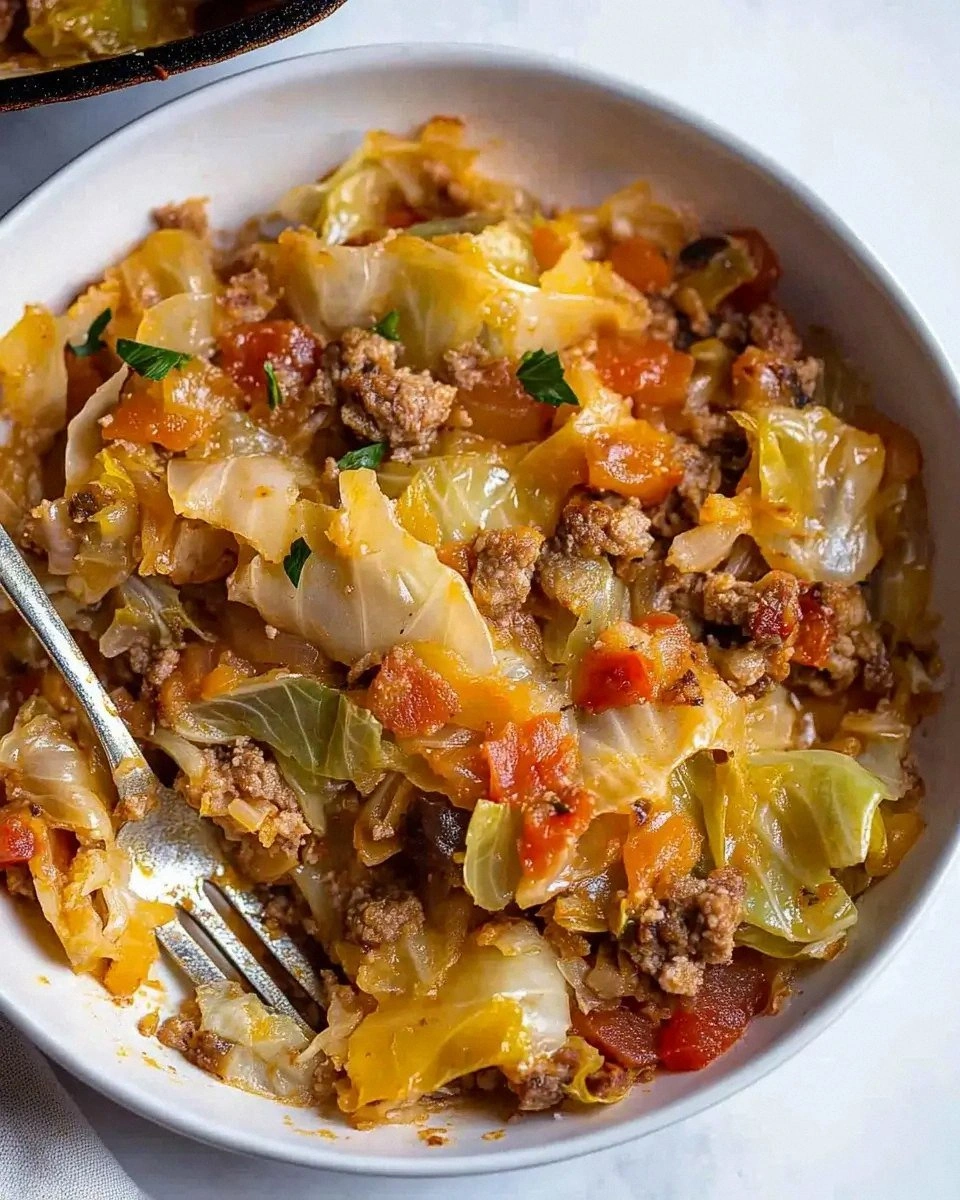
When the casserole finally emerged from the oven, the top was a golden‑brown crown that cracked like a delicate parchment, revealing layers of tender cabbage, juicy beef, and fluffy rice that clung together in a symphony of flavors. The first bite was an explosion – the meat was juicy, the cabbage was buttery soft, and the sauce wrapped everything in a velvety embrace that made me swear I’d never settle for a plain old roll again. I dare you to taste this and not go back for seconds; the texture alone will have you questioning every other dinner you’ve ever made.
Most recipes get this completely wrong. They either over‑cook the cabbage until it’s mush, drown everything in a watery tomato soup, or forget the secret that makes the dish sing: a caramelized onion base that adds depth, and a dash of smoked paprika that gives a whisper of the outdoors. I’ve cracked the code, and the result is hands down the best version you’ll ever make at home. I’ll be honest — I ate half the batch before anyone else got to try it, and that’s a confession I’m not ashamed to make because the flavor is that unforgettable.
Now, I’m about to walk you through every single step — by the end, you’ll wonder how you ever made it any other way. Okay, ready for the game‑changer? This next part? Pure magic. Stay with me here — this is worth it.
What Makes This Version Stand Out
- Flavor Depth: The caramelized onion and olive oil foundation creates a base that’s richer than a five‑star restaurant broth, giving each bite layers of sweet, savory, and smoky notes.
- Texture Harmony: Cabbage stays tender yet slightly crisp, while the rice absorbs just enough sauce to stay moist without turning mushy.
- Simplicity: Fewer steps than traditional rolled cabbage, yet the flavor complexity rivals a slow‑cooked stew.
- Unique Twist: A splash of smoked paprika and a hint of Worcestershire sauce add an unexpected umami punch that most versions skip.
- Crowd Reaction: This dish consistently clears plates in seconds; even picky eaters ask for seconds, which is a rare feat for cabbage‑based meals.
- Ingredient Quality: Fresh, organic cabbage and high‑quality ground beef make the difference between “just okay” and “wow, I could eat this forever.”
- Cooking Method: Baking the casserole locks in moisture, allowing flavors to meld while creating a caramelized crust that shatters like thin ice.
- Make‑Ahead Potential: It reheats beautifully, and the flavors deepen after a night in the fridge, making it perfect for meal prep.
Alright, let's break down exactly what goes into this masterpiece...
Inside the Ingredient List
The Flavor Base
1 tablespoon olive oil – This is the silent hero that conducts the flavor orchestra. It lifts the onion’s sweetness and prevents sticking. If you swap it for butter, you’ll get a richer taste but lose a bit of that clean, bright start.
1 small yellow onion – The onion’s natural sugars turn golden and develop a caramelized depth that’s essential. Skipping it or using a white onion will give you a sharper bite, lacking that subtle sweetness.
The Texture Crew
1 pound ground beef (80/20) – The fat content keeps the casserole juicy. Lean meat makes the dish dry, while too much fat can render a greasy finish. Choose grass‑fed for a richer, earthier flavor.
1 cup long‑grain rice – The rice expands, soaking up the sauce without becoming mush. If you prefer a nuttier bite, try brown rice, but increase the cooking liquid by ¼ cup.
1 medium head green cabbage – Core removed, leaves sliced thin. The cabbage adds a subtle crunch that softens during baking, creating a buttery texture that’s the hallmark of this dish.
The Unexpected Star
1 cup tomato sauce – Provides acidity that cuts through the richness of the meat and oil. Opt for a low‑sugar variety to keep the sauce from becoming cloying.
½ cup beef broth – Amplifies the umami and ensures the rice cooks evenly. If you’re short on broth, a splash of water with a dash of soy sauce works in a pinch.
The Final Flourish
1 tsp smoked paprika – Adds a whisper of the outdoors, a subtle smokiness that makes the casserole unforgettable. Swap for regular paprika if you’re not a fan of smoke.
2 tbsp Worcestershire sauce – A secret weapon that deepens the savory profile, delivering a tangy, slightly sweet note that ties everything together.
Salt and freshly cracked black pepper – Season to taste. Remember, the broth already contains salt, so add gradually.
Everything's prepped? Good. Let's get into the real action...
The Method — Step by Step
Preheat your oven to 375°F (190°C). While the oven warms, line a large skillet with a splash of olive oil and set the heat to medium‑high. The moment the oil shimmers, you know it’s ready for the next move.
That sizzle when it hits the pan? Absolute perfection.
Add the diced yellow onion to the skillet. Stir constantly, allowing the edges to turn translucent before they start caramelizing. After about 4‑5 minutes, sprinkle a pinch of sugar (see Kitchen Hack above) and let the onions turn a deep amber. This is the flavor foundation you’ll thank yourself for later.
Push the onions to the side and add the ground beef, breaking it up with a wooden spoon. Cook until browned, about 6‑7 minutes, letting the juices render. Drain excess fat if you prefer a leaner casserole, but keep a spoonful for flavor.
Watch the beef change color; that’s the visual cue that the Maillard reaction is doing its magic.
Stir in the smoked paprika and Worcestershire sauce, letting the spices toast for a minute. The sauce should bubble gently, releasing an intoxicating aroma that fills the kitchen.
Pour in the tomato sauce and beef broth, stirring to combine. Let the mixture simmer for 5 minutes, allowing the flavors to meld. The sauce should thicken slightly, coating the meat like velvet.
While the sauce simmers, bring a large pot of salted water to a boil. Add the rice and cook for 5 minutes – just enough to soften the grains without fully cooking them. Drain and set aside.
In a greased 9×13‑inch baking dish, layer half of the sliced cabbage, followed by half of the rice, then half of the meat sauce. Repeat the layers, ending with a generous mound of cabbage on top.
Picture yourself pulling this out of the oven, the whole kitchen smelling incredible...
Cover the dish tightly with foil and bake for 30 minutes. Remove the foil for the final 10 minutes to let the top caramelize and turn a beautiful golden‑brown.
When the edges start pulling away from the sides, you’ve reached that perfect crust.
Let the casserole rest for 10 minutes before serving. This rest period allows the juices to redistribute, ensuring each bite is juicy and balanced.
And now the fun part – spooning out a heaping serving and watching the steam rise. That moment? Pure bliss.
That's it — you did it. But hold on, I've got a few more tricks that'll take this to another level...
Insider Tricks for Flawless Results
The Temperature Rule Nobody Follows
Never bake a casserole at a temperature lower than 350°F. Anything below that causes the cabbage to release too much water, resulting in a soggy bottom. I once tried 325°F and ended up with a soup‑like mess. The higher heat creates steam that lifts the cabbage, while the foil traps moisture just enough to keep everything tender.
Why Your Nose Knows Best
When the sauce starts to bubble and you catch that sweet‑savory scent, you’re at the perfect simmer point. Trust that nose cue more than a timer. If the sauce smells like raw tomatoes, give it a couple more minutes; if it smells caramelized, you’re golden.
The 5‑Minute Rest That Changes Everything
Resting isn’t just for steaks. Letting the casserole sit off the heat for five minutes lets the rice finish absorbing any lingering liquid, preventing a soggy bite. I once served it straight from the oven and the rice was a tad wet; the rest solved that instantly.
Layering Secrets for Maximum Flavor
Always start with cabbage, then rice, then sauce. This order ensures the cabbage doesn’t become a soggy bottom and the rice gets a protective coating of sauce. A friend tried reversing the layers and ended up with a mushy base that no one wanted to touch.
Finish With a Fresh Herb Burst
A sprinkle of chopped parsley or dill right before serving adds a bright, herbaceous note that cuts through the richness. It also adds a pop of color that makes the dish Instagram‑ready.
Creative Twists and Variations
This recipe is a playground. Here are some of my favorite ways to switch things up:
Italian‑Inspired
Swap the beef for Italian sausage, add a handful of grated Parmesan to the sauce, and finish with fresh basil. The result is a hearty, herb‑laden casserole that feels like a Sunday dinner in Tuscany.
Spicy Mexican
Introduce a diced jalapeño with the onions, use chipotle in adobo instead of smoked paprika, and stir in a cup of black beans. Top with shredded cheddar and a squeeze of lime for a fiesta on a plate.
Vegetarian Delight
Replace the meat with a mixture of lentils and mushrooms, and use vegetable broth. The earthy mushrooms mimic the umami of beef, while lentils give protein and texture.
Cheesy Crust
After the final 10 minutes of baking, sprinkle a generous layer of shredded mozzarella and return to the oven until bubbly and golden. The cheese creates a stretchy, gooey crown that kids adore.
Asian Fusion
Swap the tomato sauce for a blend of soy sauce, rice vinegar, and a touch of honey. Add shredded carrots and a dash of sesame oil. Garnish with toasted sesame seeds for a nutty finish.
Storing and Bringing It Back to Life
Fridge Storage
Let the casserole cool to room temperature, then cover tightly with foil or a reusable silicone lid. It will keep fresh for up to 4 days. Reheat individual portions in the microwave or the whole dish in a 350°F oven for 20 minutes.
Freezer Friendly
Portion the cooled casserole into freezer‑safe containers, leaving a ½‑inch headspace for expansion. It freezes well for up to 3 months. Thaw overnight in the fridge, then bake at 350°F for 30‑35 minutes, covered, before uncovering for the final browning.
Best Reheating Method
Before reheating, add a tiny splash (about 2 tbsp) of water or broth and cover with foil. This creates steam that revives the casserole’s moisture, ensuring the rice stays fluffy and the cabbage retains its buttery texture.