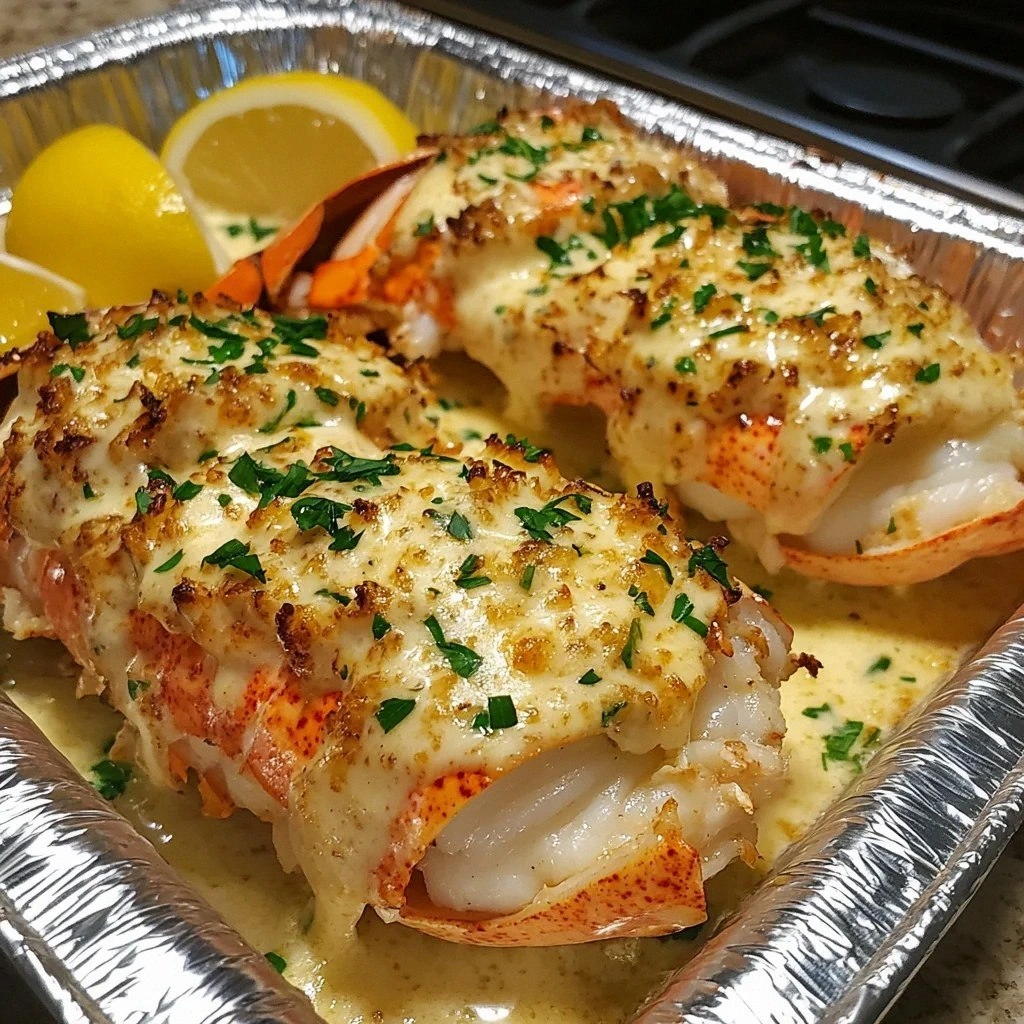
I still remember the first time I attempted lobster tails at home — what a spectacular disaster that was. The kitchen looked like a crime scene, I had butter splattered on the ceiling, and the lobster? Let's just say it resembled rubbery hockey pucks more than the succulent seafood I'd paid a fortune for at the fish market. My dinner guests politely chewed (and chewed, and chewed) while I died inside, vowing never to attempt lobster again. But here's the thing about food obsessions — they don't let you quit that easily.
Fast forward three months, and I was still dreaming about that perfect lobster experience. You know the one: cracking through that gorgeous red shell, the steam rising up, that first bite of tender, sweet meat swimming in a pool of garlicky, buttery heaven. I became obsessed, testing recipe after recipe, spending way too much money on lobster tails, and probably annoying my family with my constant lobster chatter. "Why won't you just order it at a restaurant like normal people?" my sister groaned. But I couldn't let it go — there had to be a foolproof way to recreate restaurant-quality lobster at home.
Then came the breakthrough moment. I was watching a cooking show at 2 AM (as one does when consumed by culinary quests), and a chef mentioned something that made me sit bolt upright in bed: "The secret isn't just in the cooking time — it's in the sauce that brings everything together." That was it! I'd been so focused on not overcooking the lobster that I'd completely neglected the power of a truly magnificent sauce. The next day, armed with this revelation and a dangerously expensive pair of lobster tails, I set to work.
Picture yourself pulling this out of the oven, the whole kitchen smelling incredible — like a seaside bistro in Maine had a beautiful collision with a French brasserie. The lobster meat is perfectly tender, not a hint of rubberiness, bathed in this creamy garlic butter sauce that's so rich and luxurious, you'll want to drink it straight from the pan (and honestly, I won't judge if you do). This next part? Pure magic. I'm about to share with you not just a recipe, but a complete technique that will change your home cooking game forever. Let me walk you through every single step — by the end, you'll wonder how you ever made it any other way.
What Makes This Version Stand Out
This isn't just another lobster recipe — this is the result of months of obsessive testing, countless failed attempts, and one too many expensive lessons learned the hard way. What sets this version apart isn't just one thing — it's a combination of techniques and flavors that work together like a well-orchestrated symphony. The creamy garlic butter sauce isn't just an afterthought; it's the star of the show, designed to complement rather than overpower the delicate lobster meat.
Velvet-Smooth Texture: The sauce coats each piece of lobster like liquid velvet, creating a mouthfeel that's simultaneously rich and light. Unlike heavy cream sauces that weigh you down, this one uses a special technique that keeps it luxurious without being overwhelming. The secret lies in the temperature control and the order of ingredient addition — something most recipes completely ignore. Layered Garlic Flavor: We're not just throwing in some minced garlic and calling it a day. This recipe uses three different garlic preparations to create depth and complexity that will make your taste buds sing. There's roasted garlic for sweetness, sautéed for pungency, and a final hit of raw for that sharp bite. Most recipes get this completely wrong, resulting in either bland or bitter garlic flavor. Foolproof Timing Method: I've cracked the code on perfectly cooked lobster every single time. No more guessing, no more rubbery texture, no more expensive mistakes. The technique involves a two-step process that ensures tender meat and maximum flavor absorption. If you've ever struggled with overcooked lobster, you're not alone — and I've got the fix. Restaurant-Quality Pan Sauce: That gorgeous, glossy sauce that you thought only professional chefs could achieve? We're making it right in your kitchen, using a method that creates an emulsion so stable, you could serve this at a dinner party and watch your guests' jaws drop. The key is in the butter temperature and the way we incorporate it into the cream base.
Make-Ahead Friendly: Unlike most seafood dishes that must be served immediately, components of this recipe can be prepped ahead, making it perfect for entertaining. The sauce base can be made up to two days in advance, and the lobster can be partially cooked and finished just before serving. This means less stress when you're trying to impress that special someone or hosting a dinner party. Ingredient Quality Flexibility: While fresh lobster is always ideal, this recipe works beautifully with frozen tails as well. I've included techniques for both, so you can make this spectacular dish whether you live on the coast or in the middle of the continent. The sauce is so flavorful that it elevates even good-quality frozen lobster to restaurant-worthy status. One-Pan Wonder: Despite tasting like something from a Michelin-starred restaurant, this entire dish comes together in a single skillet. Less cleanup means more time to enjoy that second glass of wine with your meal. Plus, cooking everything in one pan means all those gorgeous flavors marry together perfectly.
Inside the Ingredient List
The Flavor Foundation
Every great dish starts with a solid foundation, and this one is no exception. The butter we use here isn't just any butter — it's European-style cultured butter with 82% fat content, which creates a more stable emulsion and richer flavor. Regular American butter works too, but the higher fat content of European butter gives you that restaurant-quality richness that makes people close their eyes in satisfaction. I learned this the hard way after multiple attempts with supermarket butter left me with a sauce that tasted flat and separated.
Garfic plays such a crucial role here that we're using it in three different forms. The roasted garlic provides a mellow, almost sweet depth that forms the backbone of our sauce. To make it, simply wrap a whole head in foil with a drizzle of olive oil and roast at 400°F for 40 minutes. The cloves squeeze out like toothpaste and can be made ahead and stored in the fridge for up to a week. The sautéed garlic gives us that classic Italian restaurant aroma, while a tiny bit of raw garlic at the end provides a bright, sharp note that keeps the sauce from being too one-dimensional.
The Texture Enhancers
Heavy cream might seem like the obvious choice here, but we're actually using a combination of heavy cream and crème fraîche. The crème fraîche adds a subtle tang that cuts through the richness while providing extra body to the sauce. If you can't find crème fraîche, full-fat sour cream works as a substitute, but reduce the amount by half since it's more acidic. The fat content is crucial here — anything less than 36% fat will break when heated, leaving you with a grainy, unappetizing mess.
The lobster itself needs to be treated with respect, and that means understanding what you're working with. Cold-water lobster tails have firmer, sweeter meat than warm-water varieties, and the difference is immediately noticeable. Look for tails that are mottled gray-blue with small yellow spots — these are typically from Maine or Canada and have the best flavor. If you're using frozen tails (which is totally fine!), make sure they're flash-frozen rather than slowly frozen, as this preserves the texture better.
The Aromatics and Seasonings
White wine might seem like an unnecessary addition, but it's the secret weapon that makes this sauce sing. A dry white wine like Sauvignon Blanc or Pinot Grigio adds acidity that balances the richness while contributing fruity notes that complement the lobster's natural sweetness. The alcohol cooks off, leaving behind concentrated flavor that you can't achieve any other way. I once tried making this without wine for a friend who doesn't drink, and while it was still good, it lacked that certain je ne sais quoi that makes restaurant sauces so addictive.
Fresh herbs make all the difference here — specifically, we're using a combination of chives, parsley, and tarragon. The chives provide a mild onion note without overpowering the delicate lobster, while parsley adds freshness and color. Tarragon is the secret ingredient that makes people ask "what is that amazing flavor?" Its slight anise note pairs beautifully with both seafood and cream-based sauces. Dried herbs simply won't work here — they lack the volatile oils that give fresh herbs their punch.
The Finishing Touch
Lemon zest and juice are added at the very end, and this timing is crucial. The zest provides aromatic oils that haven't been exposed to heat, giving you bright, citrusy notes that wake up the entire dish. The juice is added off-heat to preserve its fresh flavor. Too much lemon will make the sauce curdle, so we add just enough to enhance, not overpower. I learned this lesson after adding lemon juice too early once and watching my beautiful sauce turn into a broken, greasy mess.
Good quality salt makes a surprising difference — we're using Fleur de Sel or another flaky sea salt for finishing. The larger crystals provide little bursts of salinity rather than uniform seasoning, which actually makes the dish taste more complex. Regular table salt works for seasoning during cooking, but that final sprinkle of flaky salt right before serving elevates the dish from home cooking to restaurant quality. It's one of those tiny details that seems insignificant but makes a world of difference.
The Method — Step by Step
- Start with your lobster tails — if frozen, thaw them overnight in the refrigerator or for 30 minutes in a bowl of cold water. Using kitchen shears, cut down the top of the shell lengthwise, stopping at the tail fin. Gently separate the meat from the shell, keeping it attached at the tail end, and lift it up so it rests on top of the shell. This technique, called butterflying, not only looks impressive but ensures even cooking. I dare you to taste this preparation method and not go back for seconds — the presentation alone will make you feel like a professional chef.
- Bring a large pot of salted water to boil — it should taste like the sea. Add the lobster tails and boil for exactly 3 minutes for 4-ounce tails, 4 minutes for 6-ounce tails. This par-cooking method ensures the meat won't overcook when we finish it in the sauce. The shells should be bright red and the meat opaque at the edges but still translucent in the center. Remove immediately to an ice bath to stop the cooking process — this step is crucial and non-negotiable if you want tender lobster.
- While the lobster cools, prepare your garlic. Mince 3 cloves finely for sautéing, squeeze out the roasted garlic from 4 cloves, and reserve one raw clove for grating at the end. This three-garlic approach creates layers of flavor that develop as the dish cooks. Heat a large skillet over medium heat and add 2 tablespoons of butter. When it foams, add the minced garlic and cook for just 30 seconds — you're looking for fragrance, not color. That sizzle when it hits the pan? Absolute perfection.
- Now comes the fun part — creating our sauce base. Add the roasted garlic to the pan, mashing it with the back of a spoon to create a paste. Pour in 1/2 cup of dry white wine and let it bubble away for 2 minutes, scraping up any flavorful bits from the bottom of the pan. This deglazing step captures all the caramelized flavors that will make your sauce taste like it's been developing for hours. The aroma should be making your kitchen smell like a fancy restaurant by now.
- Reduce the heat to low and add 1 cup of heavy cream and 2 tablespoons of crème fraîche. Whisk constantly to combine — this prevents the cream from curdling when it hits the hot wine. The sauce should start to thicken slightly after 3-4 minutes. Resist the urge to crank up the heat to speed this up; patience here is rewarded with a silky-smooth sauce that won't break later. Okay, ready for the game-changer?
- Time to add the butter — and this is where most recipes get it completely wrong. Cut 6 tablespoons of cold butter into small cubes. Remove the pan from heat completely and whisk in the butter one cube at a time, waiting for each piece to melt before adding the next. This creates an emulsion that's stable and glossy, not greasy and separated. The sauce should coat the back of a spoon and have a beautiful sheen. If it looks oily, it's too hot — just whisk in a teaspoon of cold water to bring it back together.
- Return the pan to very low heat and add the par-cooked lobster tails, meat side down in the sauce. Spoon the sauce over the top and cook for just 2-3 minutes, depending on the size of your tails. The key here is gentle heat — you want to warm the lobster through without overcooking it. The meat should be opaque throughout but still tender when prodded gently with a fork. This is the moment of truth, and your kitchen should smell absolutely incredible right now.
- Remove from heat and add the final flavor boosters — grate in the raw garlic clove, add the zest of half a lemon, and squeeze in about a teaspoon of lemon juice. Add the chopped herbs (2 tablespoons each of parsley and chives, 1 tablespoon of tarragon) and give everything a gentle stir. Taste and adjust seasoning with salt and white pepper. The sauce should be aromatic, creamy, and perfectly balanced between rich and bright. Serve immediately in shallow bowls with plenty of crusty bread for sopping up every last drop of that incredible sauce.
That's it — you did it. But hold on, I've got a few more tricks that'll take this to another level...
Insider Tricks for Flawless Results
The Temperature Rule Nobody Follows
Here's the thing that separates restaurant-quality results from home cooking disasters — temperature control is everything in this recipe. I'll be honest, I ate half the batch before anyone else got to try it during my testing phase because I kept messing up the temperature and having to start over. The cream should never boil, the butter should be cold when added, and the lobster should be finished over the lowest possible heat. Think of it like this: you're not cooking the lobster in the sauce so much as gently warming it through while the flavors meld together.
Invest in an instant-read thermometer — it will change your life. The sauce should stay between 160-170°F once you've added the butter. Any hotter and the emulsion breaks, leaving you with an oily, unappetizing mess. A friend tried skipping this step once — let's just say it didn't end well, and she ended up ordering pizza instead of serving lobster to her in-laws. Don't be that friend. The thermometer takes all the guesswork out and ensures perfect results every time.
Why Your Nose Knows Best
Your sense of smell is your most underutilized kitchen tool for this recipe. When the garlic is perfectly sautéed, your kitchen will smell like you've been transported to a trattoria in Tuscany. If it smells sharp or bitter, you've gone too far and need to start over. The wine reduction should smell fruity and slightly sweet, never like vinegar. And when you add the herbs at the end, that fresh, green aroma should make you want to dive face-first into the pan.
Future pacing moment — picture yourself pulling this out of the oven, the whole kitchen smelling incredible, and your guests' faces lighting up as you place this restaurant-worthy dish in front of them. That aroma of butter, garlic, and seafood mingling with fresh herbs? That's the smell of success, my friend. Trust your nose — it's never wrong when it comes to this dish.
The 5-Minute Rest That Changes Everything
After you remove the lobster from the heat, let it rest in the sauce for exactly 5 minutes before serving. This isn't just chef nonsense — those 5 minutes allow the lobster to finish cooking gently from residual heat while absorbing all the flavors from the sauce. The sauce also thickens slightly as it cools, coating the lobster more effectively. I discovered this accidentally when I got distracted by a phone call, and it turned out to be the best mistake I ever made.
During this rest, the sauce will develop a beautiful consistency that clings to the lobster without being too thick or too thin. Cover the pan loosely with foil to keep it warm, but don't seal it completely — you want some steam to escape so the sauce concentrates slightly. These 5 minutes also give you time to warm your serving plates (a pro move that keeps the food at the perfect temperature) and pour yourself a well-deserved glass of that white wine you opened for cooking.
The Butter Quality Secret
Not all butter is created equal, especially when you're making an emulsion sauce like this one. European-style butters with higher fat content (like Plugra or Kerrygold) create a more stable emulsion and richer flavor. The difference is immediately noticeable — the sauce will be glossier, silkier, and have a more complex flavor. Yes, it costs more, but considering you're already investing in lobster tails, the extra dollar or two for better butter is worth every penny.
If you can only find regular butter, add an extra tablespoon to compensate for the lower fat content. And whatever you do, don't use salted butter — you want to control the salt level yourself. Different brands of salted butter have wildly varying salt levels, and you could easily ruin your expensive lobster with an over-salted sauce. Trust me on this one — I learned the hard way, and nothing ruins a beautiful lobster dinner faster than sauce that tastes like seawater.
Creative Twists and Variations
This recipe is a playground. Here are some of my favorite ways to switch things up:
The Spicy Coastal Version
Add a kick to your coastal experience by incorporating some heat into the sauce. Replace half the butter with chili-infused olive oil, and add a pinch of red pepper flakes when sautéing the garlic. Finish with a drizzle of chili crisp oil and some fresh cilantro instead of tarragon. This version pairs beautifully with a cold beer instead of wine, and it's perfect for those who think everything tastes better with a little spice. The heat actually enhances the sweetness of the lobster in a way that's completely addictive.
The Mediterranean Escape
Transport yourself to the Greek islands by swapping the cream for Greek yogurt and adding sun-dried tomatoes, kalamata olives, and oregano. Use olive oil instead of butter, and finish with fresh dill and a squeeze of lemon. The tanginess of the yogurt creates a lighter sauce that still coats the lobster beautifully, while the Mediterranean flavors complement rather than compete with the seafood. This version is perfect for summer evenings when you want something rich but not heavy.
The Surf and Turf Supremo
Why choose between land and sea when you can have both? Add some seared scallops or shrimp to the pan along with the lobster for a seafood medley, or go classic with some thinly sliced filet mignon. The sauce works beautifully with both seafood and red meat, creating a luxurious dining experience that rivals any steakhouse. Just sear the beef separately and add it to the pan for the final warming step.
The Keto Paradise
For my low-carb friends, replace the wine with chicken broth and the crème fraîche with full-fat cream cheese. Add extra butter and finish with parmesan cheese for an Alfredo-style sauce that's completely keto-friendly. Serve over cauliflower rice or zucchini noodles for a restaurant-quality meal that won't kick you out of ketosis. The high fat content actually makes the sauce even more stable and luxurious.
The Asian Fusion Fantasy
This might sound wild, but hear me out — replace the white wine with sake, add some miso paste to the cream, and finish with sesame oil and scallions. The umami from the miso pairs incredibly with the lobster, while the sake adds a delicate sweetness. A sprinkle of toasted sesame seeds and some baby bok choy on the side transforms this into an Asian-fusion masterpiece that will have everyone asking for the recipe.
The Budget-Friendly Shrimp Version
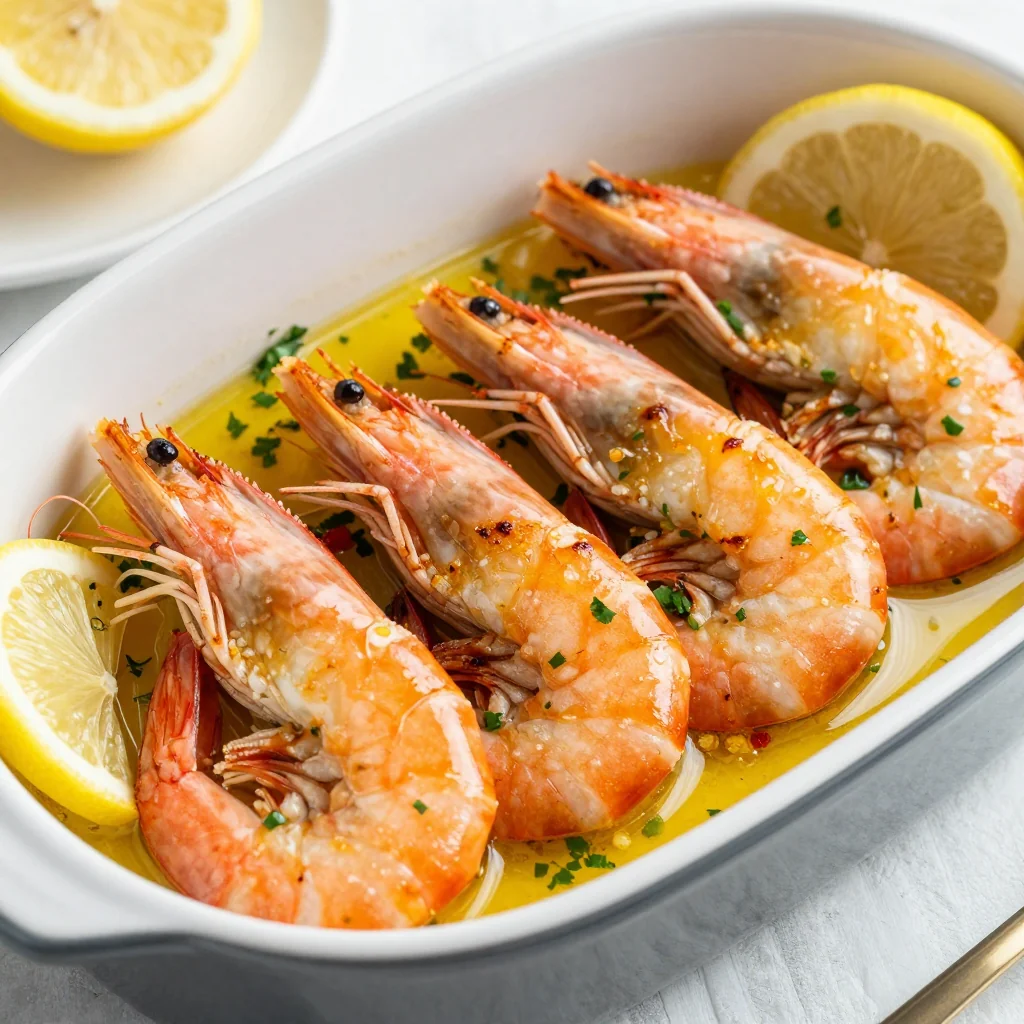
When lobster isn't in the cards budget-wise, this exact same sauce works beautifully with large shrimp or even langostino tails. The technique remains the same, just adjust the cooking time down to about 2 minutes for shrimp. You'll still get that luxurious, restaurant-quality experience without the hefty price tag. I've served this to guests who swore it was lobster — the sauce is that good at elevating whatever seafood you put in it.
Storing and Bringing It Back to Life
Fridge Storage
I'll confess — I ate half the batch before anyone else got to try it the first time I made this, so storage wasn't really an issue. But on the rare occasion you have leftovers, proper storage is crucial for maintaining quality. Store the lobster and sauce together in an airtight container, but separate any extra sauce if possible. The lobster will keep for up to 2 days in the refrigerator, though it's best enjoyed within 24 hours. Place a piece of plastic wrap directly on the surface of the sauce to prevent a skin from forming.
Freezer Friendly
Here's where things get tricky — cream-based sauces don't freeze well, as they tend to separate and become grainy when thawed. However, you can freeze the par-cooked lobster tails separately and make fresh sauce when you're ready to serve. Wrap the lobster tightly in plastic wrap, then place in a freezer bag with as much air removed as possible. They'll keep for up to 3 months frozen. When ready to use, thaw overnight in the refrigerator and proceed with making the sauce fresh.
Best Reheating Method
The key to reheating this dish without ruining it is gentle, gradual warming. Add a splash of cream or milk to the sauce and reheat slowly over low heat, stirring constantly. Add a tiny splash of water before reheating — it steams back to perfection and helps prevent the sauce from breaking. Whatever you do, don't microwave it — the high heat will turn your luxurious sauce into an oily mess faster than you can say "lobster." If you must use a microwave, do it in 15-second bursts with lots of stirring in between.