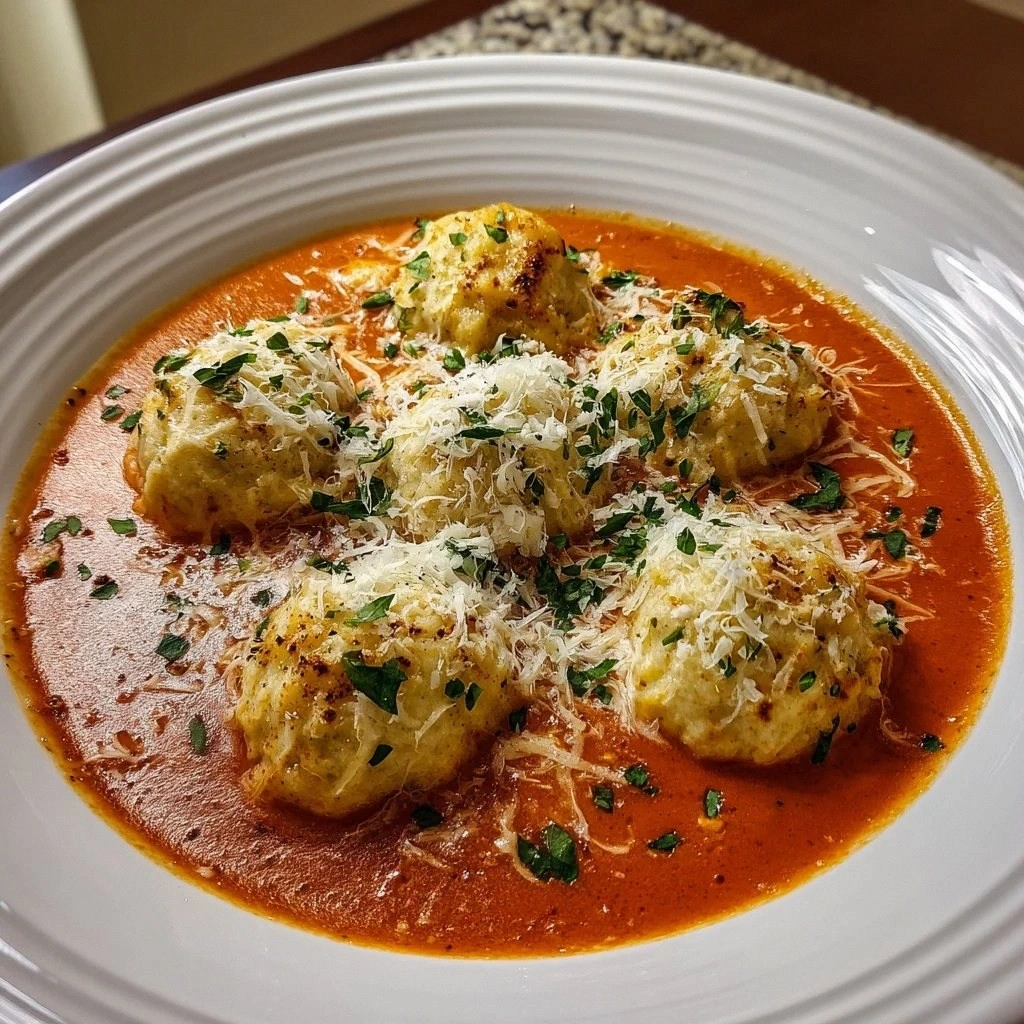
I’ll be honest — I ate half the batch before anyone else got a chance to try it, and that’s because this dish is a straight‑up flavor bomb that makes you question every side you’ve ever served. It all started on a rainy Tuesday when my pantry was looking sad, the fridge was half‑empty, and a friend dared me to turn a boring bag of Brussels sprouts into something that could actually win a dinner party. I tossed a few strips of bacon into a pan, drizzled honey over the green crowns, and the kitchen filled with a scent so sweet it felt like a hug from a pastry chef. The first bite was a perfect marriage of smoky crunch, caramelized sweetness, and that subtle peppery bite that makes you want to shout, “I dare you to taste this and not go back for seconds!”
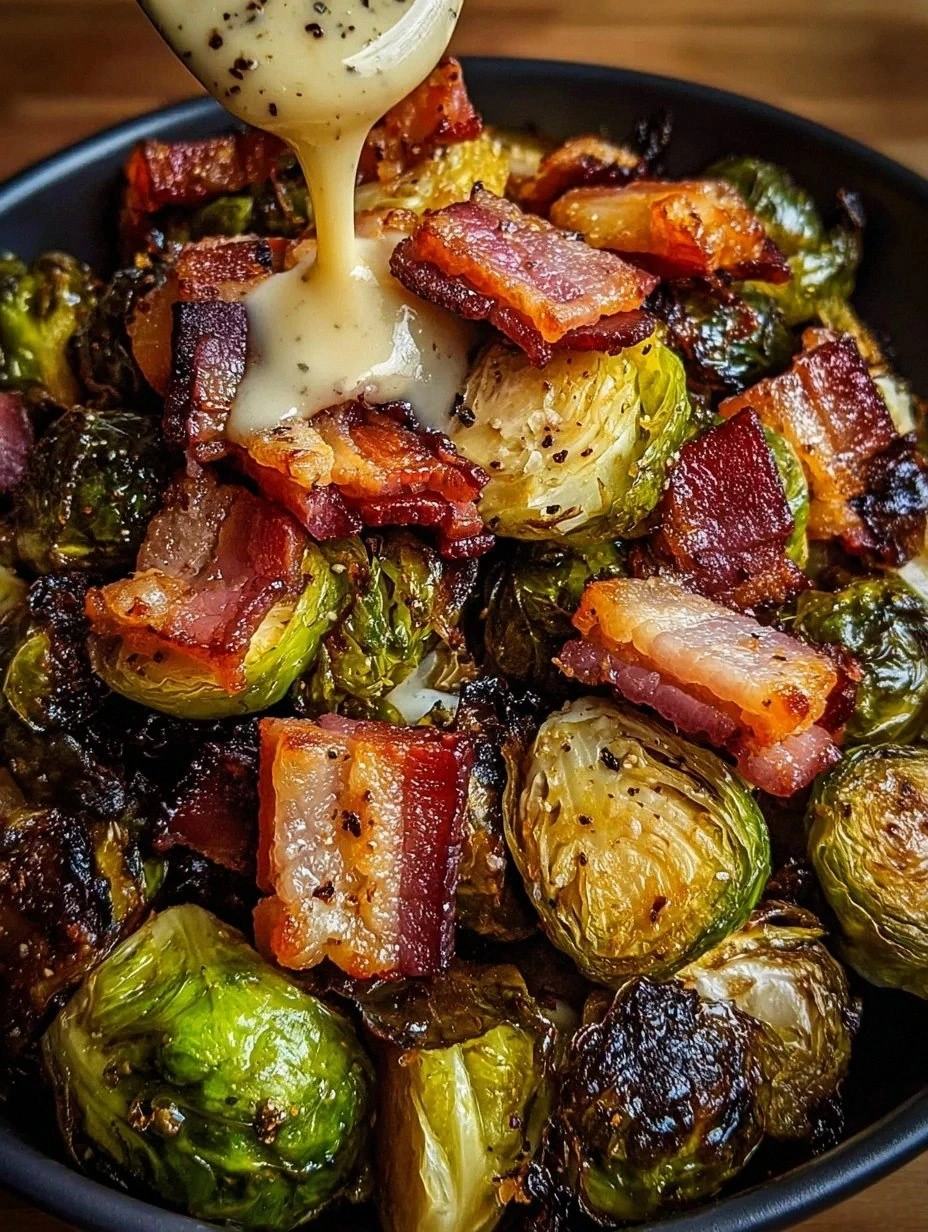
Picture yourself pulling this out of the oven, the whole kitchen smelling like a maple‑kissed autumn forest, while the oven window fogs up from the steam of honey bubbling around each sprout. The edges of the Brussels sprouts turn a deep, glossy amber, the bacon crisps into a crackling that shatters like thin ice, and the whole pan glistens with a glaze that coats every piece like velvet. That sizzle when the honey meets the hot pan? Absolute perfection. The moment the aroma hits your nose, you know you’ve just unlocked a secret level of side‑dish greatness that most recipes completely miss.
Most recipes get this completely wrong – they either over‑cook the sprouts until they’re mushy, or they drown everything in a syrupy mess that never gets that coveted caramel snap. Here’s what actually works: a high‑heat roast that gives the sprouts a slight char, a quick sear of thick‑cut bacon for that buttery crunch, and a finishing glaze that balances sweet, salty, and tangy in a way that feels almost sinful. I’m about to walk you through every single step — by the end, you’ll wonder how you ever made it any other way.
Okay, ready for the game‑changer? I’m about to reveal a tiny trick involving a splash of balsamic that adds brightness without stealing the show, and a dash of Dijon that cuts through the richness like a razor‑sharp chef’s knife. Trust me, this isn’t just another roasted veggie recipe; it’s the ultimate side that can hold its own next to a steak, a holiday turkey, or even a humble bowl of rice. Let’s dive in, because the only thing standing between you and the best Brussels sprouts you’ve ever tasted is a few minutes of focused cooking.
What Makes This Version Stand Out
- Flavor Fusion: The honey‑balsamic glaze creates a sweet‑tart symphony that dances with the smoky bacon, turning each bite into a mini celebration.
- Texture Triumph: You get caramelized, slightly crispy edges on the sprouts, a tender interior, and bacon that snaps like fresh twigs.
- Simplicity: Only ten ingredients, most of which you already have on hand, and a single‑pan method that keeps cleanup to a minimum.
- Ingredient Quality: Using fresh, firm Brussels sprouts and thick‑cut bacon makes the difference between “good” and “wow‑worthy.”
- Crowd Reaction: Even the most skeptical veggie‑hater will be converted after the first forkful, and you’ll hear the inevitable “What’s the secret?”
- Make‑Ahead Potential: The dish reheats beautifully, and the glaze actually deepens in flavor after a night in the fridge.
- Versatility: Swap maple syrup for agave, or add red pepper flakes for heat – the base is a flexible canvas.
- Season‑Proof: Brussels sprouts are at their peak in the cooler months, but this recipe shines year‑round thanks to the honey and bacon combo.
Inside the Ingredient List
The Flavor Base
Olive oil: This is the silent hero that coats each sprout, ensuring the heat distributes evenly and the honey doesn’t burn. A good drizzle (about two tablespoons) adds a subtle fruity note that balances the sweet glaze. If you’re out of olive oil, grapeseed oil works just as well and has a higher smoke point.
Honey: The star of the show, honey caramelizes at high heat, forming that glossy, sticky coating we all crave. Use a mild, floral honey to let the bacon’s smokiness shine; a darker buckwheat honey will dominate the palate. Skipping the honey means you lose the signature sweet‑crackle that makes this dish unforgettable.
The Texture Crew
Brussels sprouts: Fresh, vibrant, and packed with nutrients, they add crunch and a slight bitterness that balances the sweetness. Choose sprouts that are firm, bright green, and about the size of a walnut; larger ones can be halved for even cooking. If you pick a bag that looks wilted, the texture will suffer, and you’ll end up with soggy greens.
Bacon: Thick‑cut bacon is sinful indulgence in this dish. Its rendered fat becomes the cooking medium that fries the sprouts from the inside out, while the meat itself provides a salty, smoky crunch. For a leaner version, use turkey bacon, but expect a milder flavor and less crispness.
The Unexpected Star
Maple syrup (optional): This optional addition deepens the sweetness and adds a lovely depth of flavor. A tablespoon or two blends with honey to create a richer, more complex glaze. If you’re not a fan of maple, you can substitute with a splash of brown sugar dissolved in warm water.
Dijon mustard: Just a spoonful brings tanginess to the dish, cutting through the richness of the bacon. Its sharp, slightly acidic bite lifts the entire flavor profile, preventing the glaze from feeling cloying. Skipping it will make the glaze taste one‑dimensional.
The Final Flourish
Balsamic vinegar (optional): This optional but delicious ingredient adds brightness and acidity, elevating the dish even more. A teaspoon tossed in at the end creates a subtle sweet‑sour contrast that brightens the heavy flavors. If you’re wary of the dark color, use a white balsamic for a milder hue.
Red pepper flakes (optional): For those who love a kick, this optional spice provides a nice heat to the dish, balancing the sweetness. A pinch is enough; you can always add more at the table if you like it fiery. Omit it if you’re cooking for kids or spice‑sensitive guests.
Salt & Black pepper: A bit of seasoning enhances the natural flavors. Salt draws out the Brussels sprouts’ earthy notes, while black pepper adds a subtle heat that complements the honey’s sweetness. Too much pepper can overwhelm, so keep it measured.
Everything's prepped? Good. Let's get into the real action…
The Method — Step by Step
-
Preheat your oven to a scorching 425°F (220°C). This high heat is the secret weapon that gives the sprouts their caramelized edges and the bacon its crisp snap. While the oven warms, line a large rimmed baking sheet with parchment – this prevents sticking and makes cleanup a breeze. I dare you to taste this and not go back for seconds once you see the golden color developing.
Kitchen Hack: Place the baking sheet on the middle rack and add a second sheet on the lower rack; this creates an oven “steam bath” that helps the honey glaze spread evenly. -
Trim the Brussels sprouts by cutting off the tough stem end, then halve them lengthwise. If any are particularly large, quarter them so every piece is roughly the same size – uniformity is key for even roasting. Toss the cut sprouts in a large bowl with two tablespoons of olive oil, a generous pinch of salt, and a grind of black pepper. The oil will coat each piece, ensuring the honey adheres later on.
-
Spread the oiled sprouts in a single layer on the prepared baking sheet, cut side down. This orientation maximizes surface contact with the hot pan, giving you those coveted caramelized faces. Roast for 12‑15 minutes, shaking the pan halfway through to promote even browning. You’ll know they’re ready when the edges start pulling away and emit a nutty, toasted aroma.
-
While the sprouts are roasting, slice the thick‑cut bacon into ½‑inch strips. Lay the bacon on a separate sheet of parchment and pop it into the oven for the last 8‑10 minutes of the sprout’s cooking time. The bacon will render its fat, turning crispy and releasing a smoky perfume that mingles with the sprouts. Watch Out: Keep a close eye on the bacon; it can go from perfect to burnt in a heartbeat.
Watch Out: If you add the honey too early, it will burn; wait until the sprouts are almost done before glazing. -
In a small saucepan over medium heat, combine three tablespoons of honey, one tablespoon of maple syrup (if using), one teaspoon of Dijon mustard, and a splash (about one teaspoon) of balsamic vinegar. Stir continuously until the mixture bubbles lightly and thickens into a syrupy glaze. The aroma at this point is intoxicating – sweet, tangy, and slightly woody.
Kitchen Hack: Add a pinch of red pepper flakes to the glaze for a hidden heat that awakens the palate without overwhelming the sweetness. -
When the sprouts have reached a deep golden‑brown hue, remove them from the oven and drizzle the honey‑mustard glaze over the entire pan. Toss quickly with a spatula so every piece gets a glossy coat. At this point, the bacon should be crispy; crumble it over the top, allowing the rendered fat to mingle with the glaze, creating tiny pockets of caramelized bacon goodness.
-
Return the pan to the oven for an additional 3‑5 minutes. This final blast lets the glaze set, turning the surface of each sprout into a shiny, slightly sticky shell. Keep a watchful eye – the glaze can darken quickly, and you want that perfect amber, not a burnt crust.
-
Remove the pan, give everything a final toss, and sprinkle a pinch of extra red pepper flakes if you love heat. Let the dish rest for two minutes; this short pause allows the flavors to meld and the glaze to thicken just a touch. Serve immediately, or store in an airtight container for later – the glaze actually improves after a few hours.
That's it — you did it. But hold on, I've got a few more tricks that'll take this to another level…
Insider Tricks for Flawless Results
The Temperature Rule Nobody Follows
Never underestimate the power of a hot oven. A temperature of 425°F (220°C) creates a Maillard reaction that gives the sprouts that coveted caramelized crust. If your oven runs cool, add an extra 10‑15 minutes; if it runs hot, check at the 10‑minute mark to prevent burning. I once tried a lower temp and ended up with soggy sprouts that tasted like boiled vegetables – a culinary nightmare.
Why Your Nose Knows Best
Your sense of smell is a more reliable indicator than a timer. When the kitchen fills with a nutty, toasted aroma and you hear that faint crackle of the honey hitting the hot pan, you’re at the perfect moment to flip or glaze. Trust that nose; it’s the secret weapon that separates amateur cooks from pros.
The 5‑Minute Rest That Changes Everything
After the final roast, let the sprouts sit for five minutes before serving. This rest allows the glaze to thicken and the flavors to settle, preventing a soggy bite. I once rushed straight to the table and the glaze was runny, making the dish feel sloppy. Patience here pays off with a glossy, restaurant‑quality finish.
Bacon Fat as a Flavor Booster
Don’t discard the rendered bacon fat – drizzle a teaspoon over the finished dish for an extra layer of richness. It adds a silky mouthfeel and reinforces the smoky undertone. Just a little goes a long way; too much can make the dish greasy.
The Sweet‑Sour Balance Trick
If the glaze leans too sweet for your taste, a splash of lemon juice or a pinch of extra balsamic can restore balance. The acidity cuts through the honey, brightening each bite. I’ve seen friends over‑sweeten their batches, only to rescue them with a dash of acidity.
Creative Twists and Variations
This recipe is a playground. Here are some of my favorite ways to switch things up:
Maple‑Mustard Glaze
Swap the honey for an equal part pure maple syrup and add an extra teaspoon of Dijon. The result is a deeper, earthier sweetness that pairs beautifully with the bacon’s smokiness. Perfect for a fall‑themed dinner.
Spicy Sriracha Kick
Add a tablespoon of sriracha to the glaze and increase the red pepper flakes. This version brings a bold heat that cuts through the sweet, ideal for those who love a fiery side.
Nutty Crunch
Toss in a handful of toasted sliced almonds or crushed hazelnuts during the final toss. The nuts add a buttery crunch and a subtle nutty aroma that elevates the dish to a sophisticated appetizer.
Vegan Version
Replace bacon with smoked tempeh or coconut bacon, and use agave nectar instead of honey. The flavor profile remains rich, and the texture stays satisfyingly crisp for plant‑based diners.
Citrus‑Infused Finish
Finish the dish with a zest of orange or lemon and a drizzle of fresh citrus juice. The bright acidity lifts the glaze, making the dish feel lighter and perfect for spring gatherings.
Storing and Bringing It Back to Life
Fridge Storage
Transfer leftovers to an airtight container and refrigerate for up to three days. The glaze will thicken, so before reheating, add a splash of water or a drizzle of olive oil to loosen it up.
Freezer Friendly
Portion the cooked sprouts and bacon into freezer‑safe bags, removing as much air as possible. They’ll keep for up to two months. When ready to serve, thaw in the fridge overnight, then reheat in a hot oven (425°F) for 10‑12 minutes to restore crispness.
Best Reheating Method
The oven is your best friend for reheating – it revives the caramelized edges without sogginess. Spread the sprouts on a baking sheet, add a teaspoon of water, and bake for 8‑10 minutes. The steam created by the water brings back that glossy sheen while the oven’s dry heat re‑crispes the bacon.