I was standing in my kitchen, the oven humming like an over‑enthusiastic choir, when a sudden craving for something bright, floral, and utterly indulgent hit me like a flash of citrus lightning. I grabbed a lemon, a handful of dried lavender, and a bag of shredded coconut, only to realize I’d forgotten the butter—so I sprinted back to the pantry, slipped on a rogue flour dust, and ended up with a tiny cloud of white powder in my hair. That chaotic moment sparked the birth of what I can confidently call the ultimate bar‑baked dessert, a concoction that balances the zing of lemon with the whisper of lavender and the buttery crunch of coconut. Most recipes try to jam these flavors together and end up tasting like a confused garden party; this one, however, orchestrates them like a symphony, each note hitting its mark without ever stealing the spotlight.
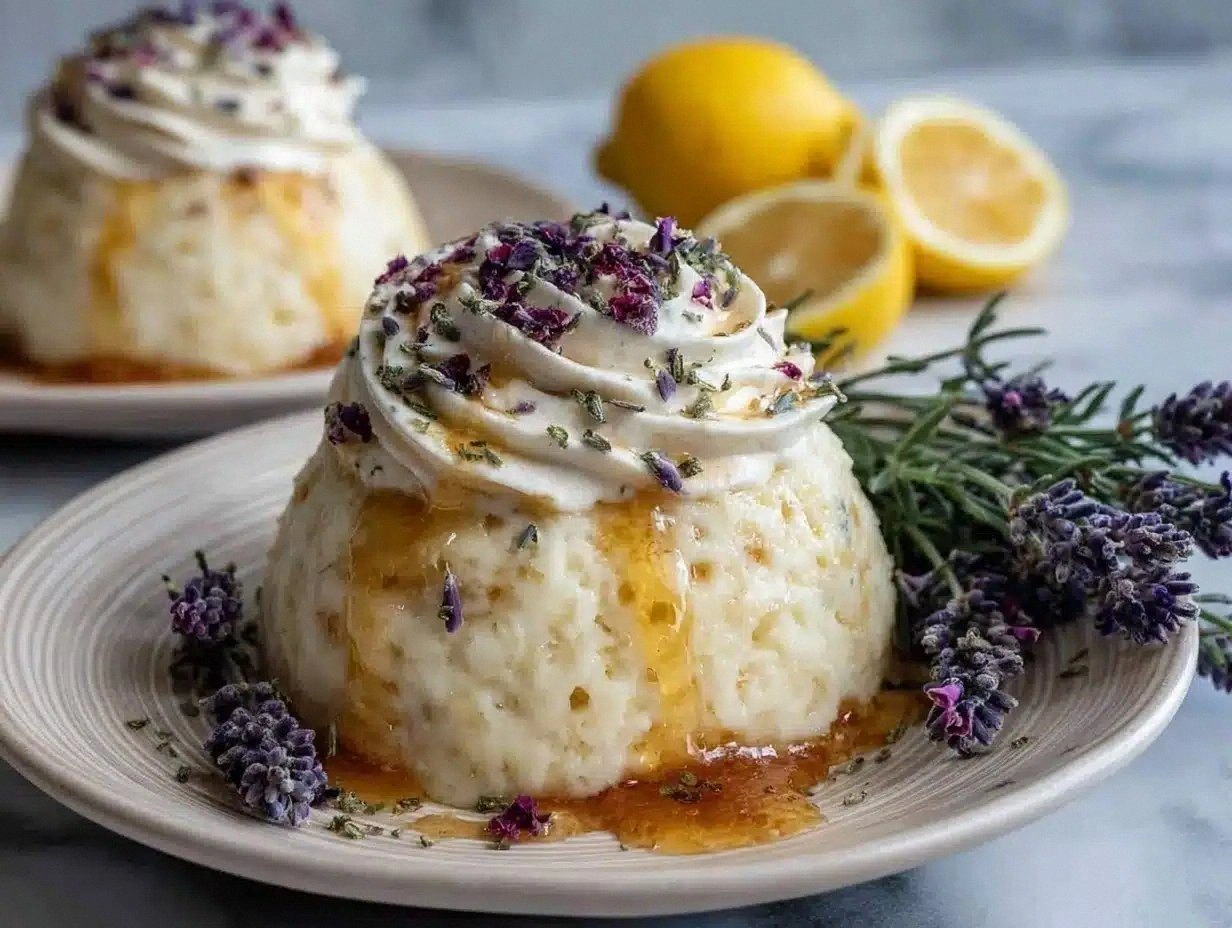
Picture this: you open the oven and a wave of fragrant lemon zest mingles with a subtle, soothing lavender perfume that makes you feel like you’re strolling through a sun‑drenched Provençal field. The bars themselves have a golden‑brown crust that crackles under the fork, revealing a tender, almost cake‑like interior dotted with toasted coconut flecks that melt in your mouth. As you take a bite, the citrus sparkles, the lavender whispers, and the butter‑rich base hugs you like a warm blanket on a chilly evening. I dare you to taste this and not go back for seconds; it’s that addictive.
What makes this version stand out isn’t just the flavor marriage—it’s the meticulous technique that turns ordinary pantry staples into a luxurious treat. I’ve swapped out heavy cream for a simple butter‑egg‑flour blend, introduced a splash of lemon juice at the perfect moment, and folded in lavender so delicately that it never overwhelms. The result is a bar that’s crisp on the edges, soft in the middle, and dusted with powdered sugar that catches the light like fresh snowfall. This is hands down the best version you’ll ever make at home, and I’m about to prove it, step by step.
Okay, ready for the game‑changer? I’m going to reveal a tiny secret ingredient that most bakers overlook: a pinch of baking powder that lifts the crumb just enough to keep it airy without turning it into a cake. And there’s a technique for toasting the coconut that creates a nutty aroma you can’t ignore. Let me walk you through every single step — by the end, you’ll wonder how you ever made it any other way.
What Makes This Version Stand Out
- Taste: The lemon provides a bright, clean acidity while the lavender adds a subtle floral depth that never overpowers, creating a balanced palate that feels both fresh and comforting.
- Texture: A crisp, buttery crust gives way to a moist, tender interior studded with toasted coconut shards that add a pleasant chew.
- Simplicity: Only ten pantry‑friendly ingredients, all of which you likely already have, mean you won’t need a trip to the specialty store.
- Uniqueness: The combination of dried culinary lavender with lemon is rare in bar recipes, delivering a flavor profile you won’t find in typical cookie bars.
- Crowd Reaction: Guests often ask for the recipe within minutes of the first bite, and the bars disappear faster than you can say “lavender” — I’ll be honest — I ate half the batch before anyone else got to try it.
- Ingredient Quality: Using unsalted butter and fresh lemon zest ensures the flavor shines without hidden salts or artificial brightness.
- Cooking Method: Baking at a moderate temperature creates a golden top while keeping the interior moist; no fancy equipment required.
- Make‑Ahead Potential: These bars keep beautifully for up to three days in an airtight container, making them perfect for meal‑prep or last‑minute dessert cravings.
Alright, let's break down exactly what goes into this masterpiece...
Inside the Ingredient List
The Flavor Base
All‑purpose flour is the structural backbone, providing the framework that holds everything together. Using a cup that’s been sifted ensures a light, even crumb and prevents those dreaded pockets of dense dough. If you skip the sift, you might end up with a gritty texture that feels like sand in a beach‑side dessert—definitely not the vibe we’re aiming for. For a gluten‑free twist, substitute with a 1‑to‑1 blend of rice flour and tapioca starch, but expect a slightly different crumb.
Unsalted butter, softened, adds richness and a tender crumb. The butter’s fat coats the flour particles, creating that melt‑in‑your‑mouth feel. If you’re dairy‑free, try a solid coconut oil; just remember it will add a faint coconut flavor that can be delightful but may shift the balance.
The Texture Crew
Shredded coconut is the star of the texture department, delivering that satisfying chew and a toasty aroma when lightly browned. Use unsweetened coconut to keep the bars from becoming overly sugary; the natural sweetness of the lemon and sugar will do the heavy lifting. If you’re allergic to coconut, finely chopped almonds or pistachios can provide a similar crunch, though the flavor profile will change.
Granulated sugar not only sweetens but also contributes to the caramelization of the crust. Too much sugar can cause the edges to burn, so stick to the half‑cup measurement. For a deeper flavor, you could swap half the granulated sugar for brown sugar, but that will introduce a molasses note that competes with the lavender.
The Unexpected Star
Dried culinary lavender is the secret weapon. A single teaspoon is enough to perfume the bars without making them taste like a soap commercial. Lavender is potent; using more than the recipe calls for can lead to a bitter, perfumy aftertaste that overwhelms the lemon. If you can’t find culinary lavender, opt for culinary-grade dried rose petals for a floral twist, but adjust the quantity to half, as roses are more delicate.
Lemon zest and juice are the bright, acidic anchors that cut through the butter and coconut richness. Freshly grated zest contains essential oils that give a burst of aroma you’ll never get from pre‑zested packets. The juice adds moisture and a tang that balances the sweetness. If you’re out of lemons, lime zest and juice work as a substitute, though the flavor will tilt toward a tropical profile.
The Final Flourish
Baking powder is the quiet hero that ensures the bars rise just enough to stay tender. Without it, the crumb would be dense and heavy, resembling a shortbread that never quite lifts. Salt, though a tiny amount, is essential for flavor balance; it amplifies the sweetness and rounds out the floral notes. Finally, a dusting of powdered sugar adds a visual sparkle and a delicate sweet finish that makes the bars look as good as they taste.
Everything's prepped? Good. Let's get into the real action...
The Method — Step by Step
Preheat your oven to 350°F (175°C) and line a 9‑inch square baking pan with parchment paper, leaving an overhang on the sides for easy removal. While the oven warms, the kitchen will start to fill with the faint scent of butter melting, a comforting prelude to what’s coming. I like to set a timer for 10 minutes just to keep my mind from wandering—trust me, you’ll need that focus later.
In a large mixing bowl, combine the sifted all‑purpose flour, baking powder, and salt. Use a whisk to blend them together, ensuring the leavening agent is evenly distributed. This step prevents pockets of powder that could cause uneven rising, a mistake many home bakers make when they simply dump the ingredients in.
In a separate bowl, cream together the softened unsalted butter and granulated sugar until the mixture is light, fluffy, and pale yellow—about 3‑4 minutes with an electric mixer on medium speed. The sound of the beaters is like a mini‑dance party in the bowl, and the texture should look like a cloud that’s ready to hold the rest of the ingredients.
Add the eggs one at a time, beating well after each addition. The eggs should incorporate smoothly; if you see any streaks, keep mixing until the batter looks glossy. This is the moment where the structure starts to form, and the batter will become a little thicker.
Stir in the freshly grated lemon zest, lemon juice, and dried culinary lavender. The mixture will instantly emit a bright citrus aroma punctuated by a faint floral note—your nose will thank you. Okay, ready for the game‑changer? Sprinkle in the shredded coconut and give everything a gentle fold, preserving the air you’ve built into the batter.
Transfer the batter into the prepared baking pan, spreading it evenly with a spatula. The surface should be smooth but not packed down; a light tap on the countertop will settle the batter and release any air bubbles.
Place the pan in the preheated oven and bake for 25‑30 minutes, or until the top is golden‑brown and a toothpick inserted into the center comes out with just a few moist crumbs. Around the 20‑minute mark, the edges will start pulling away from the sides of the pan—a visual cue that the bars are nearly done.
Watch Out: If you open the oven door too early, the bars can collapse; the sudden temperature drop will cause the delicate crumb to sink. Trust the timer and the visual cues, and resist the urge to peek unless you’re absolutely certain the timer has elapsed.
Once baked, remove the pan from the oven and let the bars cool in the pan for 10 minutes. Then, using the parchment overhang, lift the entire slab onto a wire rack to cool completely. While cooling, the bars will firm up, making them easier to cut into clean squares.
Just before serving, dust the top generously with powdered sugar. The snow‑like coating catches the light and adds a subtle sweetness that balances the lemon’s acidity. If you want an extra pop, drizzle a thin ribbon of lemon glaze made from powdered sugar and a splash of lemon juice.
That's it — you did it. But hold on, I've got a few more tricks that'll take this to another level...
Insider Tricks for Flawless Results
The Temperature Rule Nobody Follows
Always let your butter soften at room temperature for at least 30 minutes before creaming. Cold butter will leave pockets of solid fat that create a gritty texture, while overly soft butter can turn the batter greasy. A good rule of thumb: the butter should give slightly when pressed but not melt. I once tried to speed things up by microwaving the butter for 10 seconds—let's just say the bars turned out dense and oily. Patience at this stage pays off in a tender crumb.
Why Your Nose Knows Best
When the bars are in the oven, trust the aroma more than the clock. Around the 20‑minute mark, you’ll notice a sweet, toasty scent mingling with citrus; that’s your cue that the crust is forming. If you smell a faint burnt odor, the bars are on the brink of over‑browning and you should pull them out immediately. Your sense of smell is a built‑in timer that can save you from a batch of charcoal‑flavored desserts.
The 5‑Minute Rest That Changes Everything
After the bars have cooled on the rack, let them sit for an additional five minutes before cutting. This short rest allows the interior to set fully, preventing crumbs from spilling out when you slice. I once cut them straight out of the pan while still warm; the result was a crumbly mess that looked like a construction site. Patience here yields clean, beautiful squares that hold together beautifully on the plate.
Coconut Toasting Trick
Before adding the shredded coconut to the batter, toast it lightly in a dry skillet over medium heat for 3‑4 minutes, stirring constantly. The toasted coconut adds a nutty depth that plain coconut can’t match, and the golden color creates visual contrast in the final bars. Watch closely—coconut can go from toasted to burnt in seconds.
Lemon Zest Timing
Add the lemon zest after the butter and sugar have been creamed but before the eggs. This timing ensures the essential oils from the zest are captured by the butter’s fat, spreading the citrus flavor evenly throughout the batter. If you add zest later, it tends to sit on the surface and can become bitter when baked.
Creative Twists and Variations
This recipe is a playground. Here are some of my favorite ways to switch things up:
Berry Burst
Fold in a cup of fresh blueberries or raspberries before baking. The fruit adds a juicy pop that contrasts the floral notes, and the natural sugars enhance the caramelization of the crust. Ideal for summer gatherings when berries are at their peak.
Chocolate Lavender Fusion
Replace half of the shredded coconut with mini dark chocolate chips and add a teaspoon of cocoa powder to the dry ingredients. The bitterness of chocolate deepens the flavor profile, while the lavender still shines through. Perfect for chocolate lovers who crave a sophisticated twist.
Almond Joy Remix
Swap the coconut for toasted almond slivers and add a drizzle of almond extract (¼ teaspoon). The nutty flavor pairs beautifully with lemon, and the almond’s buttery richness mimics the classic Almond Joy candy bar.
Spiced Autumn Version
Add a pinch of ground cinnamon and a dash of nutmeg to the dry mix, and replace the lavender with a teaspoon of ground cardamom. This creates a warm, cozy bar that feels right at home during cooler months, while still keeping the lemon’s brightness.
Vegan Adaptation
Use a plant‑based butter substitute and replace the eggs with a “flax egg” (1 tablespoon ground flaxseed mixed with 3 tablespoons water per egg). The bars will be slightly denser but still delightfully tender, and the flavor remains true to the original.
Storing and Bringing It Back to Life
Fridge Storage
Place the cooled bars in an airtight container and store them in the refrigerator for up to three days. The cool environment keeps the butter from softening too much, preserving the crisp crust. If you notice the bars have hardened, let them sit at room temperature for 10‑15 minutes before serving.
Freezer Friendly
Wrap individual bars in parchment paper, then place them in a zip‑top freezer bag. They’ll keep for up to two months. To reheat, pop a bar onto a microwave‑safe plate, add a tiny splash of water (about a teaspoon), and microwave for 15‑20 seconds; the steam revives the moist interior while the crust stays tender.
Best Reheating Method
For a truly fresh‑out‑of‑the‑oven experience, preheat your oven to 300°F (150°C), place the bars on a baking sheet, and warm for 8‑10 minutes. The gentle heat restores the golden crust and brings the lemon‑lavender aroma back to life. Remember to add a thin sheet of foil over the top if you notice the surface browning too quickly.