Picture this: you’re standing in a cramped apartment kitchen, the clock ticking louder than a metronome, and a sudden craving for something that feels both comforting and fancy crashes over you like a wave. I was in that exact spot last Thursday, armed with a half‑empty pantry, a stubborn hunger, and a dare from my roommate who claimed I couldn’t pull off a restaurant‑level pasta without a sous‑chef. Spoiler alert – I not only succeeded, I turned the whole thing into a culinary mic drop. The moment the roasted peppers hit the pan, the kitchen filled with a sweet‑smoky perfume that made the whole building’s hallway stop and stare. That scent? It’s the kind that makes you forget about the dishes piling up in the sink and just want to dive head‑first into the pan.
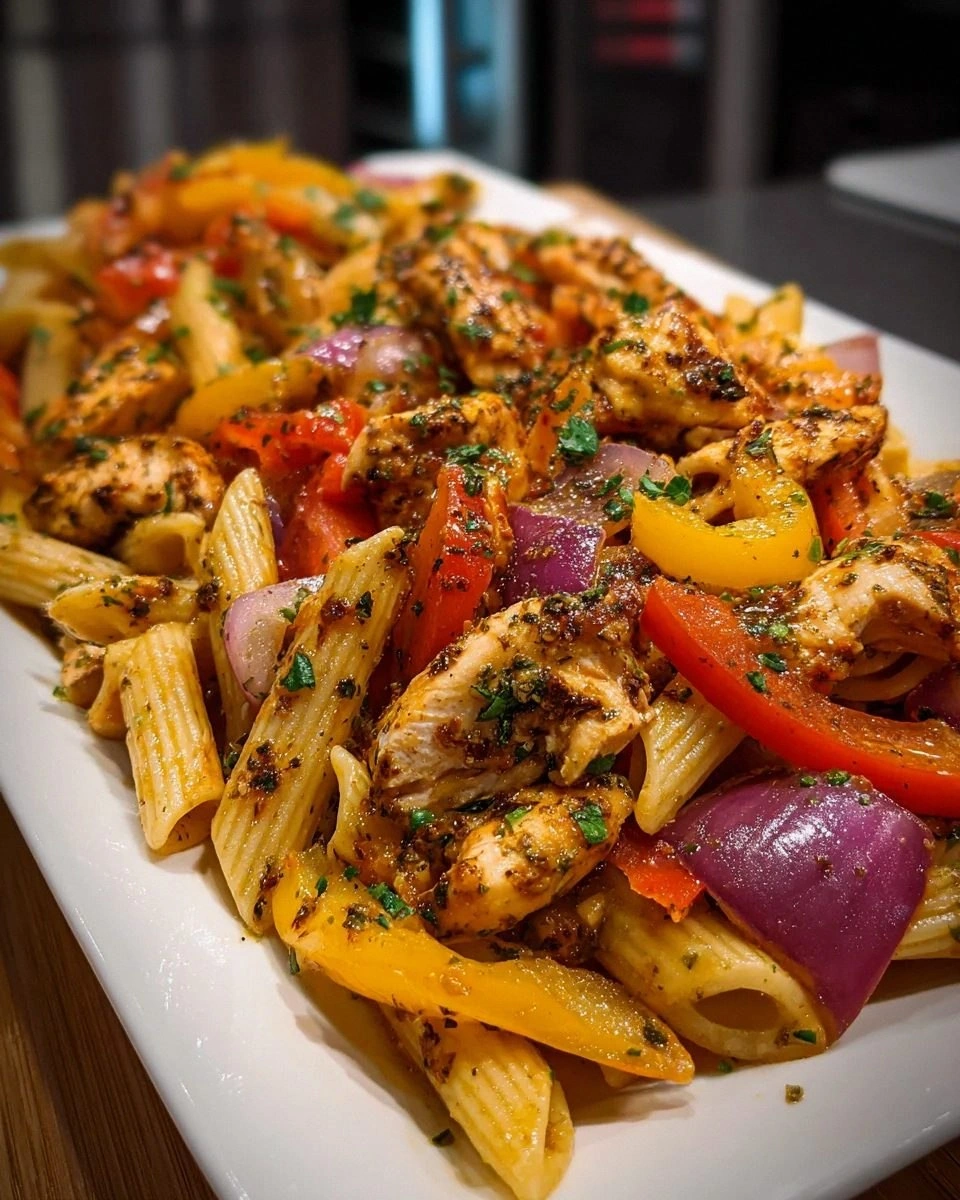
The first bite was a revelation. The whole wheat penne held onto the sauce like a velvety cloak, the chicken was juicy enough to make a bodybuilder weep, and the peppers added a burst of color that could brighten even the gloomiest Monday. I dare you to taste this and not go back for seconds – I’ve tried, and I failed miserably. Most pasta dishes I’ve tried either drown in a watery sauce or become a dry, sad mess, but this one? It’s a perfect balance of texture and flavor, each forkful delivering a chorus of crunchy, sweet, and savory notes that sing in harmony. I’ll be honest — I ate half the batch before anyone else got a chance to try it, and that’s saying something because I’m usually the one serving the first plate.
What makes this version truly stand out is a tiny, seemingly insignificant step: roasting the peppers and onions until they develop those caramelized edges that shatter like thin ice under a spoon. Most recipes tell you to sauté, but that never gives you the depth of flavor that a good roast does. The high heat coaxing out the natural sugars creates a sauce that coats the pasta like a silk scarf, wrapping each bite in a buttery, aromatic hug. And let’s not forget the Herbes de Provence – that fragrant blend is the secret handshake of French countryside kitchens, adding a whisper of lavender and rosemary that elevates the whole dish from “home‑cooked” to “chef‑kissed”.
Okay, ready for the game‑changer? I’m about to walk you through every single step — from picking the perfect peppers at the market to the exact moment you toss the pasta into the pan for that final glossy finish. By the end, you’ll wonder how you ever made any other pasta the same way again. Stay with me here — this is worth it.
What Makes This Version Stand Out
- Flavor Explosion: Roasting the peppers and onions unlocks a sweet‑smoky depth that no stovetop sauté can match, turning a simple sauce into a gourmet experience.
- Texture Harmony: Whole wheat penne provides a hearty bite while the chicken stays tender, and the peppers keep a slight crunch, creating a symphony of mouthfeel.
- Simplicity Meets Sophistication: Only six core ingredients, yet the result feels like you spent hours in a professional kitchen.
- Ingredient Quality: Using whole wheat pasta and fresh bell peppers ensures fiber, vitamins, and a vibrant color palette that dazzles the eyes.
- Crowd‑Pleaser Factor: Even the pickiest eaters love the sweet‑savory balance; it’s the kind of dish that earns you a round of applause at dinner parties.
- Cooking Method Magic: The high‑heat roast creates caramelized edges that shatter like delicate glass, delivering a flavor punch you can’t get from boiling alone.
- Make‑Ahead Potential: This pasta stores beautifully, and the flavors actually improve after a few hours, making it perfect for busy weekdays.
- Herbes de Provence Twist: That aromatic blend adds a whisper of lavender and rosemary, a subtle nod to French Provençal fields that most recipes miss.
Inside the Ingredient List
The Flavor Base
Whole wheat penne: This pasta adds a hearty base while being a healthier choice packed with fiber. The slight chew of the wheat gives the sauce something to cling to, preventing that dreaded “slippery noodle” effect. If you skip it for regular pasta, you’ll lose the nutty undertone that balances the sweet peppers. For a gluten‑free twist, try brown rice penne, but expect a softer texture.
The Protein Powerhouse
Diced chicken breast: A lean protein that ensures your meal is filling and nutritious. Because it’s cut into bite‑size cubes, it absorbs all the wonderful flavors of the herbs and oil. Skipping the chicken turns this into a vegetarian dish, which is fine, but you’ll miss the savory backbone that anchors the sauce. If you’re feeling fancy, substitute with turkey or even shrimp for a surf‑and‑turf vibe.
The Colorful Crew
Bell peppers: I love using vibrant red and yellow peppers for their sweet flavor and colorful presentation. Feel free to mix in some green for added crunch! The roasting process brings out their natural sugars, creating a caramelized sweetness that pairs beautifully with the chicken. If you can’t find fresh peppers, a good quality jarred roasted pepper works, but the texture won’t be as crisp.
Red onion: Offering a gentle, sweet kick, red onion deepens the dish and adds a lovely color contrast. When roasted, its sharp bite mellows into a mellow, almost jam‑like sweetness that melds with the peppers. Skipping the onion removes a layer of complexity; consider adding a splash of balsamic vinegar if you must omit it.
The Finishing Touches
Olive oil: This liquid gold not only helps roast the veggies and chicken but also infuses everything with richness. Use extra‑virgin for the best flavor, and don’t be shy – a drizzle at the end adds a glossy sheen. If you run low, a splash of butter can substitute, but you’ll lose some of the bright, fruity notes.
Herbes de Provence: A fragrant blend of dried herbs that brings a touch of elegance and depth to our dish. If you don’t have this, Italian seasoning works too, though you’ll miss the subtle lavender nuance. A pinch of smoked paprika can also give a complementary smoky edge if you love bold flavors.
Everything's prepped? Good. Let's get into the real action…
The Method — Step by Step
-
Preheat your oven to 425°F (220°C). While the oven warms up, slice the bell peppers into 1‑inch strips and halve the red onion into wedges. Toss them in a generous drizzle of olive oil, a pinch of salt, and half of the Herbes de Provence. Spread them on a baking sheet in a single layer – crowding them will steam instead of roast, and we want those caramelized edges that shatter like thin ice.
Kitchen Hack: For an extra char, switch the oven to broil for the last 2 minutes, but keep a close eye – a burnt pepper is a bitter disappointment. -
While the veggies roast, bring a large pot of salted water to a rolling boil. Add the whole wheat penne and cook according to package instructions until al dente, usually 10‑12 minutes. Remember, whole wheat pasta releases a bit more starch, which will help bind the sauce later. Drain, but reserve 1 cup of the pasta water – that starchy liquid is the secret weapon for a silky finish.
-
In a large skillet, heat 2 tablespoons of olive oil over medium‑high heat. Add the diced chicken breast, seasoning it lightly with salt, pepper, and the remaining Herbes de Provence. Let the chicken sear without moving it for about 2 minutes so a golden crust forms – that crust is where flavor lives. Flip the pieces and cook another 2‑3 minutes until the interior is just cooked through; the chicken will finish cooking later with the sauce.
Watch Out: Overcrowding the pan will steam the chicken instead of searing it, resulting in a rubbery texture. -
When the peppers and onions are beautifully caramelized – you’ll see the edges turning a deep, almost mahogany brown and hear a faint crackle – pull them out of the oven. Transfer them to a cutting board and give them a quick toss to release any stuck bits; those bits are flavor gold. Set aside, but keep the pan drippings; they’ll add a smoky undertone to the sauce.
-
Return the skillet with the chicken to the stove, reduce the heat to medium, and add the roasted peppers and onions back in. Stir everything together, letting the vegetables’ juices mingle with the chicken’s sear. At this point, the sauce is still a bit thin – that’s intentional. Add a splash (about ¼ cup) of the reserved pasta water, letting it deglaze the pan and lift all the caramelized bits.
-
Now, introduce the cooked penne to the skillet. Toss vigorously, allowing the pasta to absorb the sauce. If the mixture looks dry, drizzle in more reserved pasta water, a tablespoon at a time, until the pasta shines with a glossy coat. This is the moment of truth – the sauce should cling to each tube like velvet, not pool at the bottom.
Kitchen Hack: Finish with a drizzle of high‑quality extra‑virgin olive oil right before serving; it adds a fresh, fruity lift. -
Season the dish with a final pinch of salt and freshly cracked black pepper. Taste and adjust – you might want a touch more Herbes de Provence for that aromatic finish. If you love a little heat, a pinch of red‑pepper flakes will add a subtle kick without overwhelming the sweet peppers.
-
Plate the pasta in shallow bowls, letting the steam rise in a fragrant cloud. Garnish with a handful of fresh parsley or basil, and if you’re feeling indulgent, shave a little Parmesan on top. That final sprinkle melts into the warm sauce, adding a salty umami depth that ties everything together. Picture yourself pulling this out of the oven, the whole kitchen smelling incredible – that’s the reward for your patience.
That’s it — you did it. But hold on, I’ve got a few more tricks that'll take this to another level…
Insider Tricks for Flawless Results
The Temperature Rule Nobody Follows
Most home cooks think “high heat is always better,” but with whole wheat pasta you need to watch the boil. Keep the water at a rolling but gentle boil; a furious bubble can break the pasta’s structure, leading to mushy bites. I once let the pot boil over, and the penne turned into a soggy mess – a disaster that taught me to keep a lid slightly ajar to control the vigor.
Why Your Nose Knows Best
When the peppers are roasting, trust your sense of smell more than the timer. The moment you detect a sweet, caramel scent with a hint of smokiness, they’re ready. If you rely solely on the clock, you risk over‑roasting, turning those sweet notes bitter. This nose‑guided approach is why my friends always say the sauce “smells like a restaurant”.
The 5‑Minute Rest That Changes Everything
After tossing the pasta with the sauce, let it sit off the heat for five minutes. This resting period allows the starches to absorb the sauce, creating a cohesive coating that doesn’t slide off the fork. I tried serving immediately once and the sauce pooled at the bottom – a sloppy mess that could’ve been avoided with a short pause.
Salt Timing – The Hidden Hero
Season the pasta water heavily; it’s the only chance the noodles have to absorb salt before the sauce arrives. If you under‑salt the water, you’ll end up adding too much salt later, which can mask the delicate herb flavors. A good rule of thumb is the water should taste like the sea.
Finish With Fresh Herbs
A sprinkle of fresh parsley or basil at the end not only adds color but also a bright, herbaceous lift that cuts through the richness. If you use dried herbs only, the dish can feel heavy. Fresh herbs re‑energize the palate, making each bite feel lighter.
Don’t Skip the Pasta Water
The reserved starchy water is the secret binder that transforms a loose mixture into a silky sauce. Skipping it leaves the pasta dry and the flavors disjointed. Think of it as the culinary equivalent of a smooth jazz bridge – it ties everything together.
Creative Twists and Variations
This recipe is a playground. Here are some of my favorite ways to switch things up:
Spicy Sriracha Kick
Swap the Herbes de Provence for a teaspoon of smoked paprika and drizzle 1‑2 tablespoons of sriracha into the sauce before tossing the pasta. The heat pairs beautifully with the sweet peppers, creating a balanced fire that’ll wow anyone who loves a little zing.
Creamy Avocado Dream
Blend a ripe avocado with a splash of lemon juice and a drizzle of olive oil, then swirl it into the finished pasta. The avocado adds a buttery texture and a subtle green hue, turning the dish into a luscious, nutrient‑packed indulgence.
Mediterranean Mediterranean
Replace the chicken with cubed feta and add kalamata olives, sun‑dried tomatoes, and a sprinkle of oregano. The salty feta and briny olives create a Mediterranean vibe that’s perfect for a summer soirée.
Protein‑Packed Turkey
Use ground turkey instead of chicken breast. Brown the turkey with a pinch of cumin for an earthy undertone, then proceed with the same steps. This variation adds a lean protein boost while keeping the dish light.
Vegan Delight
Swap the chicken for firm tofu cubes, press them to remove excess moisture, and marinate in soy sauce, garlic, and a dash of maple syrup before roasting. Use a plant‑based pasta and the dish stays completely vegan while retaining that hearty bite.
Cheesy Bake Finish
After tossing the pasta, transfer everything to a casserole dish, sprinkle generous mozzarella and parmesan, and bake at 375°F for 15 minutes until bubbly and golden. The crusty cheese top adds a comforting, gooey layer that’s perfect for cold evenings.
Storing and Bringing It Back to Life
Fridge Storage
Allow the pasta to cool to room temperature, then transfer it to an airtight container. It will keep fresh for up to 4 days. When reheating, add a splash of water or broth and gently warm in a skillet over medium heat, stirring until the sauce regains its silky sheen.
Freezer Friendly
Portion the cooled pasta into freezer‑safe bags, removing as much air as possible. It freezes well for up to 2 months. To reheat, thaw overnight in the fridge, then follow the skillet reheating method, adding a bit more liquid to revive the sauce.
Best Reheating Method
The secret to a perfect reheated bite is steam. Add a tiny splash of water (about 2‑3 tablespoons) to the pan before warming; the steam will coax the sauce back to its original glossy texture without drying out the pasta. Avoid microwaving alone – it makes the pasta rubbery.