I remember the exact moment I realized my cookie game was weak: a frantic midnight craving, a half‑baked batch that crumbled like dry sand, and a friend daring me to make something “so good it could end wars.” I laughed, I panicked, and then I dove headfirst into the pantry, armed with butter, sugar, and a stubborn determination to prove that a cookie can be both soft as a whisper and chewy as a dream. The kitchen was a symphony of clanking bowls, the oven’s low hum, and the faint, comforting scent of vanilla that seemed to whisper, “You’ve got this.”
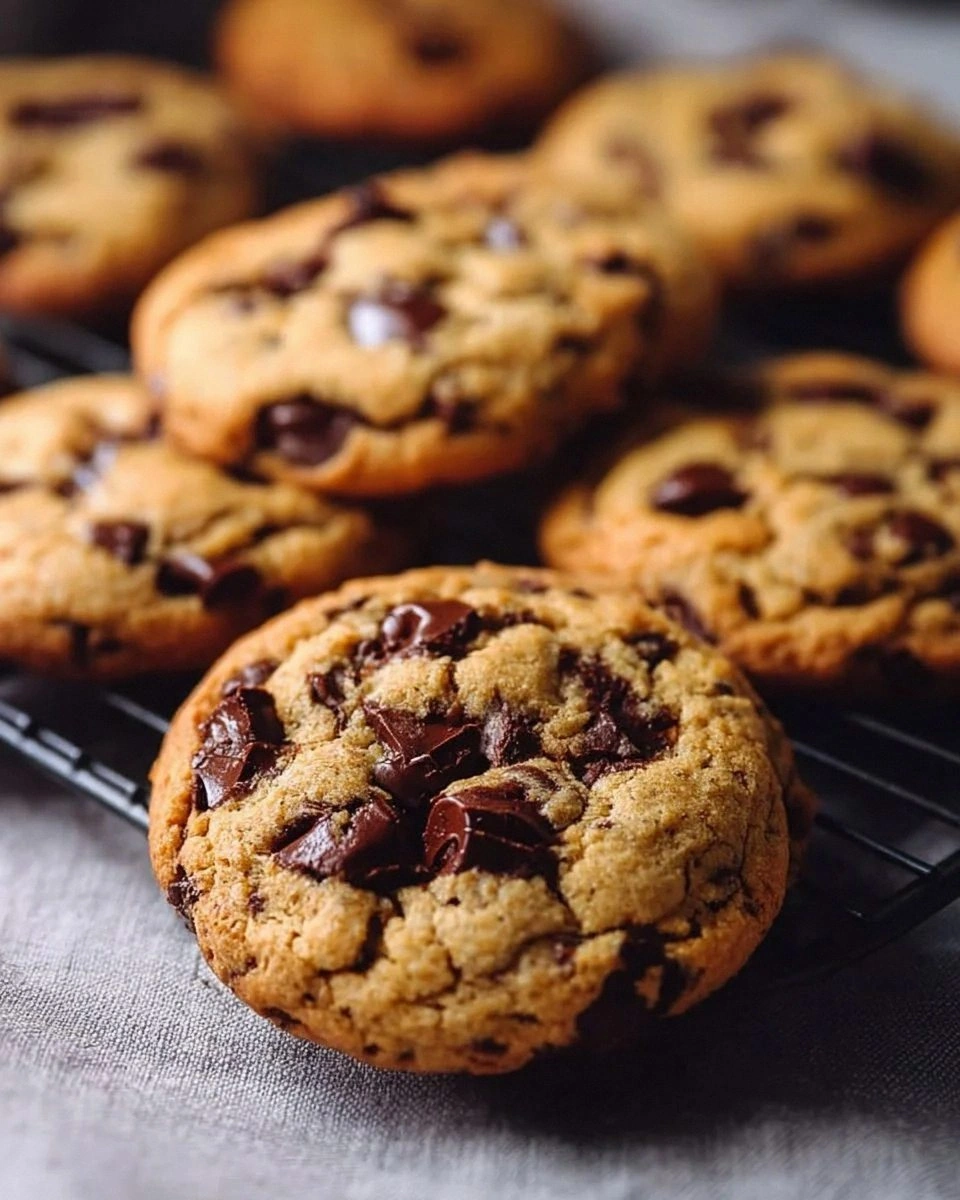
Fast forward a few weeks, and I’m standing over a tray of golden‑brown discs that smell like a hug from grandma mixed with a dash of rebellion. The dough spreads just enough to form that perfect, slightly puffy dome, and when they bake, the edges turn a buttery amber while the centers stay tender, almost molten. I dare you to taste this and not go back for seconds; it’s that addictive. The secret? A tiny tweak that most recipes completely overlook—an extra minute of chilling the dough and a splash of melted butter folded in at the end.
Most chocolate chip cookie recipes get the texture wrong: they’re either crisp as a cracker or dense as a brick. This version nails the sweet spot, delivering a cookie that gives a gentle snap when you bite the edge, then yields to a chewy, melt‑in‑your‑mouth center that releases pockets of chocolate like tiny, sweet fireworks. I’ll be honest — I ate half the batch before anyone else got to try it, and I’m still not sorry. The combination of brown sugar’s caramel depth, the creaminess of softened butter, and the crunch of toasted nuts creates a flavor orchestra that sings on the palate.
Picture yourself pulling this out of the oven, the whole kitchen smelling incredible, the steam curling around your hands as you slide the tray onto the cooling rack. The moment the first cookie hits your tongue, you’ll know why this is hands down the best version you’ll ever make at home. Okay, ready for the game‑changer? Let me walk you through every single step — by the end, you’ll wonder how you ever made it any other way.
What Makes This Version Stand Out
- Texture: A crisp edge meets a chewy, almost cake‑like center, thanks to a precise butter‑sugar balance and a short chill.
- Flavor Depth: The mix of granulated and brown sugar creates a caramel‑rich backbone that amplifies the chocolate.
- Simplicity: Only ten ingredients, all pantry staples, no exotic powders or obscure techniques.
- Ingredient Quality: Using real semi‑sweet chocolate chips (not mini chips) gives a richer melt.
- Crowd Reaction: Even the pickiest eaters ask for the recipe, and you’ll become the unofficial cookie hero.
- Make‑Ahead Potential: The dough can be frozen for up to a month, ready to bake whenever the craving hits.
- Cooking Method: Baking at 350°F creates the perfect balance of spread and rise.
- Versatility: Swap nuts for dried fruit, or add a pinch of sea salt for a sweet‑salty twist.
Inside the Ingredient List
The Flavor Base
Butter is the soul of any cookie. Using unsalted butter softened to room temperature ensures a smooth creaming process, allowing the sugars to dissolve into a glossy, buttery mixture. If you substitute melted butter, you’ll lose that airy structure and end up with a denser, cakey cookie. For the best flavor, choose a high‑fat European‑style butter; it adds a subtle richness that ordinary butter can’t match. Tip: Cut the butter into small cubes before softening; it speeds up the process and prevents over‑softening.
Granulated Sugar: This provides the initial sweetness and contributes to the cookie’s slight crunch on the edges. Skipping it makes the cookie overly sweet and soft. If you’re looking to reduce refined sugar, you can replace half with coconut sugar, but expect a deeper caramel note.
Brown Sugar: Packed brown sugar adds moisture and a molasses undertone that deepens the flavor profile. It also helps the cookie stay soft longer. Use a light‑packed brown sugar for a milder taste or dark‑packed for an even richer, almost toffee‑like finish.
The Texture Crew
All‑Purpose Flour: The backbone of structure. The 2 ¼ cups provide enough gluten to hold the cookie together without making it tough. If you prefer a lighter crumb, you can substitute ¼ cup with cake flour, but watch the spread.
Baking Soda: This leavening agent creates the gentle rise that gives the cookie its airy interior. Too much soda will make the cookie taste metallic; too little and it will be flat. Always sift it with the flour to ensure even distribution.
Salt: A pinch of salt balances the sweetness and enhances the chocolate flavor. If you love a salty‑sweet combo, finish each cookie with a sprinkle of flaky sea salt right after baking.
The Unexpected Star
Vanilla Extract: Pure vanilla adds a fragrant backbone that ties the whole flavor together. I use a high‑quality Madagascar vanilla; it’s worth the extra few cents. If you’re out of vanilla, a splash of bourbon or rum can add a subtle depth.
Eggs: Eggs provide structure and moisture. Using large eggs at room temperature ensures they incorporate fully without curdling. For a richer dough, you can replace one egg with an extra yolk, but that will make the cookie slightly denser.
The Final Flourish
Chocolate Chips: Semi‑sweet chips are the perfect balance of sweet and bitter. They melt just enough to create gooey pockets without turning the whole cookie into a chocolate slab. If you love dark chocolate, swap half the chips for 70% cacao chunks.
Chopped Nuts: Walnuts or pecans add a crunchy contrast and a buttery note that complements the chocolate. Toast them lightly for extra aroma. If you’re allergic, omit them or replace with toasted oat flakes for texture.
Everything's prepped? Good. Let's get into the real action...
The Method — Step by Step
Preheat your oven to 350°F (175°C) and line two baking sheets with parchment paper. While the oven warms, give yourself a moment to appreciate the anticipation—the air already feels a little sweeter.
In a large bowl, whisk together the flour, baking soda, and salt. This dry mix should look like a fine, pale sand; it’s the foundation that will keep the cookies from becoming gummy.
In a separate, slightly larger bowl, cream the softened butter with the granulated and brown sugars using a hand mixer on medium speed. The mixture should turn a light, fluffy caramel color and smell like a bakery—this is the moment where the magic starts.
Add the vanilla extract and eggs one at a time, beating well after each addition. The batter should become glossy and smooth; if it looks curdled, keep mixing—your whisk will bring it back together.
Gradually fold the dry flour mixture into the wet batter, stirring just until no streaks remain. Over‑mixing will develop gluten and make the cookies tough, so stop as soon as the dough looks uniform.
Stir in the chocolate chips and chopped nuts until evenly distributed. Feel the texture—tiny islands of chocolate and nutty crunch should be visible in every scoop.
Cover the dough with plastic wrap and refrigerate for exactly 30 minutes. This chill is the secret weapon: it solidifies the butter, slowing spread and giving you that coveted thick‑center chew.
Using a cookie scoop (about 2‑tablespoon size), drop dough onto the prepared sheets, spacing them 2 inches apart. The dough should hold its shape; if it spreads too quickly, give it a few extra seconds in the fridge.
Bake for 10‑12 minutes, or until the edges are a golden amber and the centers still look slightly undercooked. The scent will fill your kitchen with a buttery, caramelized perfume that tells you they’re almost ready.
Remove the trays and let the cookies rest on the sheet for 2 minutes—this allows them to finish setting. Then transfer them to a wire rack to cool completely. The cookies will firm up just enough to hold together while staying soft inside.
That's it — you did it. But hold on, I've got a few more tricks that'll take this to another level...
Insider Tricks for Flawless Results
The Temperature Rule Nobody Follows
Never bake cookies straight from the fridge at a temperature lower than 350°F. The oven’s heat needs to hit the butter instantly to create steam, which lifts the cookie and creates that airy interior. If you bake at 325°F, the cookies spread too much and become flat. I once tried a lower temp to “slow bake” for extra chew, and the result was a soggy mess.
Why Your Nose Knows Best
When the edges start pulling away from the parchment and you catch a faint caramel aroma, the cookies are ready to be pulled out. Trust that sensory cue more than the clock. A minute or two off can mean the difference between a perfect chewy center and a dry crumb.
The 5‑Minute Rest That Changes Everything
After baking, let the cookies rest on the sheet for exactly five minutes before moving them. This short rest lets residual heat finish the bake, ensuring the center stays soft while the exterior firms just enough to hold its shape.
Salt Finish for the Sweet‑Savory Pop
A pinch of flaky sea salt sprinkled on each cookie as soon as they exit the oven creates a delightful contrast. The salt melts slightly, creating tiny crystals that pop against the chocolate, elevating the flavor profile.
The Double‑Mix Method
First cream butter and sugars, then let the mixture sit for five minutes before adding eggs. This rest allows the sugar to dissolve a bit more, leading to a smoother dough and a more uniform crumb.
Creative Twists and Variations
This recipe is a playground. Here are some of my favorite ways to switch things up:
Double‑Chocolate Delight
Replace half the semi‑sweet chips with dark chocolate chunks and add 2 tablespoons of cocoa powder to the dry mix. The result is a richer, more intense chocolate experience that satisfies even the most devoted chocoholics.
Nut‑Free Coconut Crunch
Swap the chopped nuts for toasted coconut flakes. The coconut adds a subtle tropical aroma and a pleasant chew without the nutty texture.
Peanut Butter Swirl
Drop a teaspoon of creamy peanut butter into the center of each dough ball before baking, then swirl it with a skewer. The peanut butter melts into a gooey core that pairs beautifully with chocolate.
Oatmeal‑Infused
Add ½ cup of rolled oats to the dry ingredients for a heartier bite. The oats absorb some moisture, giving the cookie a slightly denser, wholesome texture.
Spiced Autumn
Incorporate ½ teaspoon of cinnamon and a pinch of nutmeg into the flour mixture. This brings a warm, cozy flavor perfect for cooler evenings.
Storing and Bringing It Back to Life
Fridge Storage
Place cookies in an airtight container with a slice of bread on top. The bread releases moisture, keeping the cookies soft for up to a week. Replace the bread slice every two days for maximum freshness.
Freezer Friendly
Layer cookies between parchment sheets in a zip‑top bag and freeze for up to three months. When you’re ready, let them thaw at room temperature for 15 minutes, then give them a quick 2‑minute bake at 300°F to revive the chew.
Best Reheating Method
Microwave a single cookie for 10 seconds with a tiny splash of water on the plate; the steam re‑hydrates the crumb, making it taste freshly baked. Avoid overheating, or you’ll end up with a rubbery texture.