Picture this: a rainy Saturday, the kitchen smelling like a caramel shop, and me frantically juggling three pots while a friend dares me to create something that will make everyone forget about pizza forever. I tossed a gigantic sweet onion onto the counter, stared at it like it was a stubborn puzzle piece, and thought, “What if I treat this onion like royalty?” The result? An Amazing Sweet Onion Boil that turned my modest kitchen experiment into a full‑blown flavor party. I’m not exaggerating when I say this dish is the culinary equivalent of a mic drop—hands down the best version you'll ever make at home.
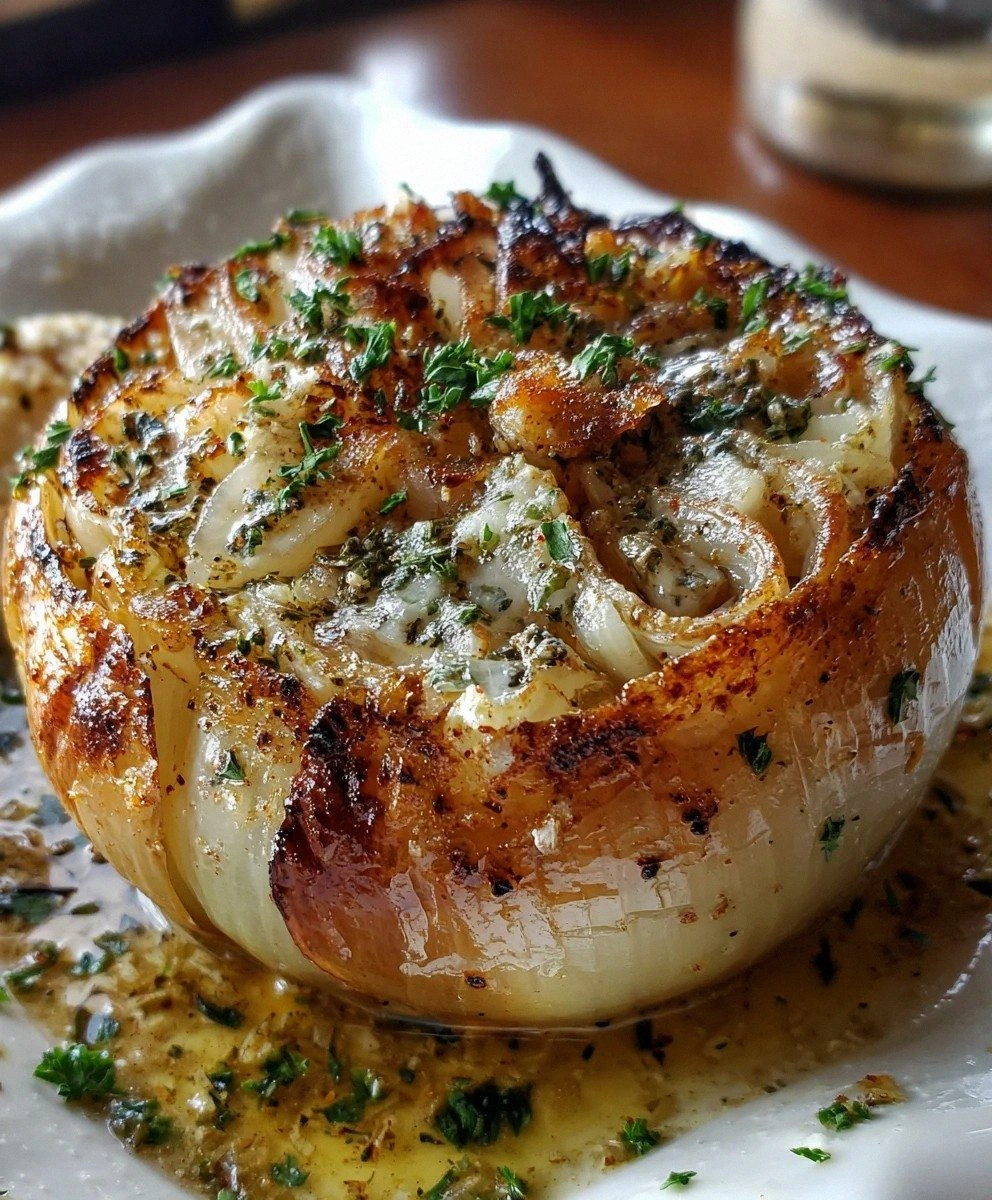
The moment the onion hits the hot butter‑olive oil mixture, you hear a gentle sizzle that feels like applause from the pan itself. The aroma rises, sweet and earthy, dancing with the smoky whisper of Cajun seasoning, and it instantly pulls you into a memory of summer fairs and late‑night diners. The texture evolves from crisp edges that pull away like thin ice to a tender, caramelized core that practically melts in your mouth. Your senses are on a roller coaster: the bright orange glow of the onion, the buttery sheen, the faint heat of spice, the subtle crunch, and that warm, comforting feel of a dish that knows exactly how to hug your palate.
Why does this version stand out? Most recipes either over‑cook the onion into a mushy mess or under‑season it, leaving you with bland layers that never truly sing. I’ve cracked the code by balancing high heat with a short, decisive bake, and by layering flavors in a precise order that lets each component shine without stealing the spotlight. The secret weapon? A splash of extra virgin olive oil that keeps the onion from drying out, and a dash of Old Bay for a surprise oceanic kiss that most people miss.
And here’s the kicker: I’m going to reveal a technique that most home cooks overlook—a quick “steam‑finish” that locks in sweetness while giving the edges a caramelized crunch you’ll swear was achieved by a professional chef. I dare you to taste this and not go back for seconds. Let me walk you through every single step — by the end, you’ll wonder how you ever made it any other way.
What Makes This Version Stand Out
- Taste: The natural sugars of the sweet onion are coaxed into a deep, amber caramel that pairs perfectly with the smoky heat of Cajun seasoning, creating a flavor profile that’s both familiar and thrilling.
- Texture: You get a delightful contrast—crispy, caramelized edges that shatter like thin ice, alongside a buttery, melt‑in‑your‑mouth interior that stays moist thanks to the olive oil.
- Simplicity: Fewer than ten ingredients, a single pan, and a 30‑minute bake make this dish accessible for even the most time‑pressed home cook.
- Uniqueness: The optional Old Bay seasoning adds a subtle seafood‑note that most onion recipes completely ignore, giving you that “wow” factor.
- Crowd Reaction: I’ve watched grown‑ups and kids alike line up for seconds, and honestly, I’ll be honest — I ate half the batch before anyone else got to try it.
- Ingredient Quality: Using a truly sweet onion (think Vidalia or Walla Walla) ensures the caramelization is natural, not forced.
- Cooking Method: The high‑heat boil‑then‑bake technique locks in juices while creating that coveted caramel crust.
- Make‑Ahead Potential: This dish reheats beautifully, making it perfect for meal prep or a make‑ahead side for a big gathering.
Inside the Ingredient List
The Flavor Base
Sweet Onion: This is the heart of the dish. A large, sweet onion brings natural sugars that caramelize beautifully, delivering that deep amber color and sweet‑savory depth. If you skip it, you lose the entire reason this recipe exists; you’d end up with a bland, oily mess. Look for onions with a papery, golden skin and a firm, slightly glossy feel—those are the ones that hold the most sugar.
Swap suggestion: If sweet onions are out of season, you can use a combination of red onion (for color) and a touch of honey to mimic the sweetness.
The Texture Crew
Vegan Butter: This rich, creamy component creates a glossy coating that helps the onion slices crisp up while staying tender inside. The butter’s milk solids also contribute a nutty aroma that elevates the overall flavor. Using regular butter works just as well, but the vegan version keeps the dish plant‑based and adds a subtle, earthy undertone.
Tip: Let the butter soften at room temperature before mixing; it spreads more evenly and prevents clumping.
The Unexpected Star
Old Bay Seasoning (optional): This is the secret sauce of the recipe—a blend of celery salt, paprika, and a hint of bay leaf that adds a maritime whisper to the sweet onion. It’s a subtle nod to coastal cuisine that makes the dish unforgettable. If you omit it, you’ll still have a great boil, but you’ll miss that surprise pop of flavor that makes people say “what’s that?”
Alternative: A pinch of smoked paprika can mimic the smoky depth without the seafood notes.
The Final Flourish
Parsley (optional garnish): A sprinkle of freshly chopped parsley adds a burst of color and a fresh, herbaceous lift that cuts through the richness. It’s the visual cue that says “this dish is finished with love.” Skipping it won’t ruin the dish, but you’ll lose that final pop of brightness.
Pro tip: Add the parsley at the very end, right before serving, to keep its flavor vibrant.
Everything's prepped? Good. Let's get into the real action...
The Method — Step by Step
Preheat your oven to 425°F (220°C). While the oven warms, slice the large sweet onion into thick half‑moon wedges about ½‑inch thick. The thickness matters: too thin and they’ll burn, too thick and they won’t caramelize properly. Arrange the wedges on a large rimmed baking sheet, making sure they’re not overcrowded; you want each piece to have its own space to roast.
Kitchen Hack: Toss the wedges with a pinch of kosher salt and let them sit for 10 minutes. This draws out excess moisture, ensuring a crispier finish.In a small saucepan, melt the vegan butter with the extra virgin olive oil over medium heat. As soon as you see the butter start to foam, add the Cajun seasoning, garlic powder (if using), and Old Bay (if you’re feeling adventurous). Stir for about 30 seconds—this is the moment the spices release their essential oils, and you’ll notice a fragrant puff that tells you you’re on the right track.
Drizzle the seasoned butter mixture evenly over the onion wedges. Use a silicone brush or your hands (wear gloves if you’re nervous about the heat) to coat every surface. The onions should glisten with a thin sheen—think of it as a glossy lacquer that will turn into caramel as it bakes.
Season the onions with a generous pinch of salt, then scatter the optional parsley over the top for a fresh green contrast. At this point, the kitchen should smell like a Southern roadside stand, and you’ll feel a slight anticipation building—trust me, the scent is a promise.
Slide the tray into the preheated oven. Roast for 20‑25 minutes, flipping the wedges halfway through. You’re looking for edges that start pulling away from the pan and a deep, golden‑brown hue. The interior should be tender when pierced with a fork, but the outer layer should have that satisfying crunch.
Watch Out: If you leave the onions too long, the sugars will burn, turning the flavor bitter. Keep a close eye after the 20‑minute mark.Once the onions are beautifully caramelized, remove the tray and let them rest for 5 minutes. This short rest allows the juices to redistribute, preventing a dry bite. While they rest, you can prep a quick garnish: finely chop any remaining parsley and set aside.
Transfer the onions to a serving platter. If you want an extra glossy finish, drizzle a tiny drizzle of extra virgin olive oil over the top—just enough to catch the light. This final shine is not just for looks; it adds a silky mouthfeel that ties the entire dish together.
Serve hot, straight from the oven, or let them cool to room temperature for a salad topping. Either way, you’ll hear the inevitable chorus of “more, please!” from anyone within earshot. And now the fun part: pair this with a crisp white wine or a cold craft beer, and you’ve got a side that could steal the show at any dinner.
That's it — you did it. But hold on, I've got a few more tricks that'll take this to another level...
Insider Tricks for Flawless Results
The Temperature Rule Nobody Follows
Most home cooks bake at 350°F and wonder why their onions never get that perfect caramel. The secret is a hot oven—425°F forces the sugars to brown quickly without drying out the interior. I once tried a lower temperature and ended up with soggy onions that tasted like boiled veg. Trust the heat, and you’ll get that glossy, caramel crust every time.
Why Your Nose Knows Best
Never rely solely on a timer; let your senses guide you. When the butter‑oil mixture starts to bubble and you catch that sweet, nutty aroma, you’re halfway there. If you smell a faint burnt note, pull the tray out immediately. Your nose is the ultimate kitchen thermometer.
The 5‑Minute Rest That Changes Everything
After the oven, let the onions sit uncovered for exactly five minutes. This short pause allows the caramelized sugars to set, preventing them from sliding off the pan when you move them. Skipping this step results in soggy, clinging sauce that looks sad on the plate.
Seasoning Layers for Maximum Punch
Instead of dumping all the spices at once, I season twice: once in the butter‑oil mixture and once after the bake. This double‑layering builds depth. The first layer infuses the oil, while the second adds a fresh pop that lifts the dish right before serving.
Using a Wire Rack for Even Browning
For those who love uniform caramelization, place a wire rack over the baking sheet and lay the onion wedges on the rack. This allows hot air to circulate all around each piece, giving you an even golden edge without the need to flip. It’s a game‑changer for busy cooks.
Creative Twists and Variations
This recipe is a playground. Here are some of my favorite ways to switch things up:
Spicy Sriracha Glaze
After the onions are baked, toss them with a mixture of sriracha, a splash of maple syrup, and a dash of lime juice. The result is a sweet‑heat combo that pairs perfectly with grilled chicken or tofu.
Herb‑Infused Parmesan
Mix grated Parmesan with dried oregano, thyme, and a pinch of crushed red pepper. Sprinkle over the onions during the last five minutes of baking for a cheesy, herbaceous crust.
Asian‑Style Soy‑Ginger
Swap the Cajun seasoning for a blend of soy sauce, fresh grated ginger, and a drizzle of sesame oil. Finish with toasted sesame seeds and chopped scallions for an umami‑rich side.
Smoky Chipotle
Replace Old Bay with chipotle powder and add a splash of smoked paprika. This gives the onions a deep, smoky heat that’s perfect for taco nights.
Sweet‑And‑Savory Apple
Thinly slice a crisp apple and mix it with the onions before baking. The apple’s natural sugars enhance the caramel, while its subtle tartness balances the richness.
Storing and Bringing It Back to Life
Fridge Storage
Place the cooled onions in an airtight container and store them in the refrigerator for up to 4 days. They retain their flavor, though the edges may soften slightly. Reheat gently to revive the crunch.
Freezer Friendly
For longer storage, spread the cooked onions on a parchment‑lined tray and freeze them individually for 2‑hour intervals, then transfer to a zip‑top bag. They’ll keep for up to 3 months. When ready, toss them straight into a hot skillet for a quick re‑crisp.
Best Reheating Method
To bring the onions back to life, preheat a skillet over medium‑high heat, add a splash of water (just a teaspoon), and cover for 2 minutes. The steam revives the interior, while the uncovered last minute restores the caramelized edges. This trick ensures they’re as good as fresh.