Okay, picture this: I was in the middle of a scorching July afternoon, the kind where the air feels like a warm blanket you can’t shake off, when my neighbor knocked on my door demanding something “fresh, fruity, and totally unexpected.” I stared at my pantry, saw a half‑empty bowl of peaches that had just been rescued from a grocery‑store‑floor‑sale, and thought, “Why not turn these sweet, sun‑kissed gems into a salsa that could make a summer BBQ feel like a tropical soirée?” The kitchen instantly filled with the scent of ripe fruit, the faint tang of lime, and the whisper of cilantro, while the faint hum of the refrigerator seemed to applaud my daring plan. I was nervous, because let’s be honest—most salsa recipes are all about tomatoes, onions, and jalapeños, not peaches that melt in your mouth like butter. Yet I was determined, because I dare you to taste this and not go back for seconds.
I grabbed a cutting board, a sharp knife, and a bowl that I promised myself would never see another “oops‑I‑spilled‑the‑salsa” moment again. The first bite was a revelation: the juicy peach pieces sang with a bright acidity from the lime, while the red bell pepper added a crisp snap that reminded me of fireworks on the Fourth of July. The jalapeño? Just enough heat to make you raise an eyebrow, not enough to make you reach for a glass of milk. The cilantro floated on top like a fresh breeze, and the salt? It was the quiet conductor that brought every note together. This is hands down the best version you'll ever make at home, and I’m about to prove it.
Most recipes get this completely wrong. They either drown the fruit in vinegar, or they forget the crucial balance of sweet and savory. What sets my version apart is a secret technique: I lightly toast the diced bell pepper and onion in a dry skillet before mixing everything together. This step adds a smoky depth that makes the salsa feel like it’s been simmering on a grill for hours, even though it only takes minutes. And the lime juice? I squeeze it over the fruit just before serving, preserving that bright, zesty pop that would otherwise evaporate if you let it sit too long. The result is a salsa that coats tortilla chips like velvet, and pairs with grilled fish like a summer love affair.
I’ll be honest — I ate half the batch before anyone else got to try it. My friends were still in the driveway, but the bowl was already half empty, and the only thing left was a lingering aroma that made the whole neighborhood wonder what culinary wizardry was happening inside. The secret? A pinch of patience and a dash of confidence. If you’ve ever struggled with fruit salsas that turn mushy or bland, you’re not alone — and I’ve got the fix. So stay with me here — this is worth it.
Let me walk you through every single step — by the end, you’ll wonder how you ever made it any other way. Okay, ready for the game‑changer? Grab your freshest peaches, and let’s dive into the world of Fresh Peach Salsa.
What Makes This Version Stand Out
- Flavor Explosion: The sweet peach base is amplified by a tangy lime kick, creating a taste that dances on the palate like a summer festival.
- Texture Harmony: Diced peaches stay firm, while the toasted onion and bell pepper add a crunchy contrast that keeps every bite interesting.
- Simplicity: Only seven ingredients, no exotic spices, and a single quick sauté—perfect for a weeknight or a weekend gathering.
- Uniqueness: Fruit‑forward salsas are rare; this one flips the script, making it a conversation starter at any party.
- Crowd Reaction: Expect gasps, compliments, and the inevitable request for the recipe—people love the surprise factor.
- Ingredient Quality: Ripe, fragrant peaches are the hero; the fresher they are, the brighter the final salsa.
- Make‑Ahead Potential: You can prep the veggies and fruit up to a day ahead; the final lime splash keeps it fresh.
- Versatility: Works as a dip, a topping for tacos, or a bright side for grilled seafood.
Inside the Ingredient List
The Flavor Base
The three ripe peaches are the heart and soul of this salsa. Their natural sugars provide a mellow sweetness that balances the acidity of the lime. If you pick peaches that are too firm, they’ll stay crisp but lack that melt‑in‑your‑mouth quality; if they’re overly soft, the salsa can become soggy. Look for peaches that give slightly under their skin when pressed—this indicates peak ripeness. A quick tip: give each peach a gentle twist; it should come off the stem with a slight give.
The Texture Crew
The small red bell pepper and yellow onion bring crunch and a subtle earthiness. The bell pepper’s bright color also makes the salsa visually pop, while the onion’s sharpness mellows out after the quick toast. If you’re allergic to onions, try a shallow slice of fennel for a similar crunch and a hint of anise. Skipping the jalapeño removes the heat, turning the salsa into a sweet‑only profile—great for kids, but you’ll lose that little zing that makes it unforgettable.
The Unexpected Star
A single jalapeño, minced, is optional but transformative. It adds a whisper of spice that lifts the fruit without overwhelming it. If you’re heat‑averse, remove the seeds and veins before mincing; this reduces the Scoville rating dramatically. For a smoky twist, use a chipotle‑in‑adobo pepper instead of jalapeño, and you’ll get a salsa that tastes like it’s been sitting on a grill all day.
The Final Flourish
Fresh cilantro and lime juice finish the dish with a burst of herbaceous brightness. Cilantro’s citrusy notes echo the lime, creating a layered citrus profile that feels like a summer breeze on your tongue. If you’re not a cilantro fan, substitute fresh parsley for a milder herb note. Salt, of course, is the silent hero that pulls all flavors together; add it gradually and taste as you go.
Everything's prepped? Good. Let's get into the real action…
The Method — Step by Step
Start by washing the peaches, bell pepper, onion, jalapeño, and cilantro under cool running water. Pat them dry with a clean kitchen towel—this prevents excess water from diluting the salsa later. Cut the peaches into bite‑size dice, about ½‑inch cubes, and place them in a large mixing bowl. The goal is to keep the pieces uniform so each spoonful delivers the same sweet‑to‑spicy ratio.
Dice the red bell pepper and finely chop the yellow onion. While the fruit rests, heat a dry skillet over medium‑high heat. Add the onion and bell pepper, stirring constantly for 2‑3 minutes until they start to turn a light golden‑brown. This quick toast releases natural sugars, giving the salsa a deeper, almost caramelized flavor.
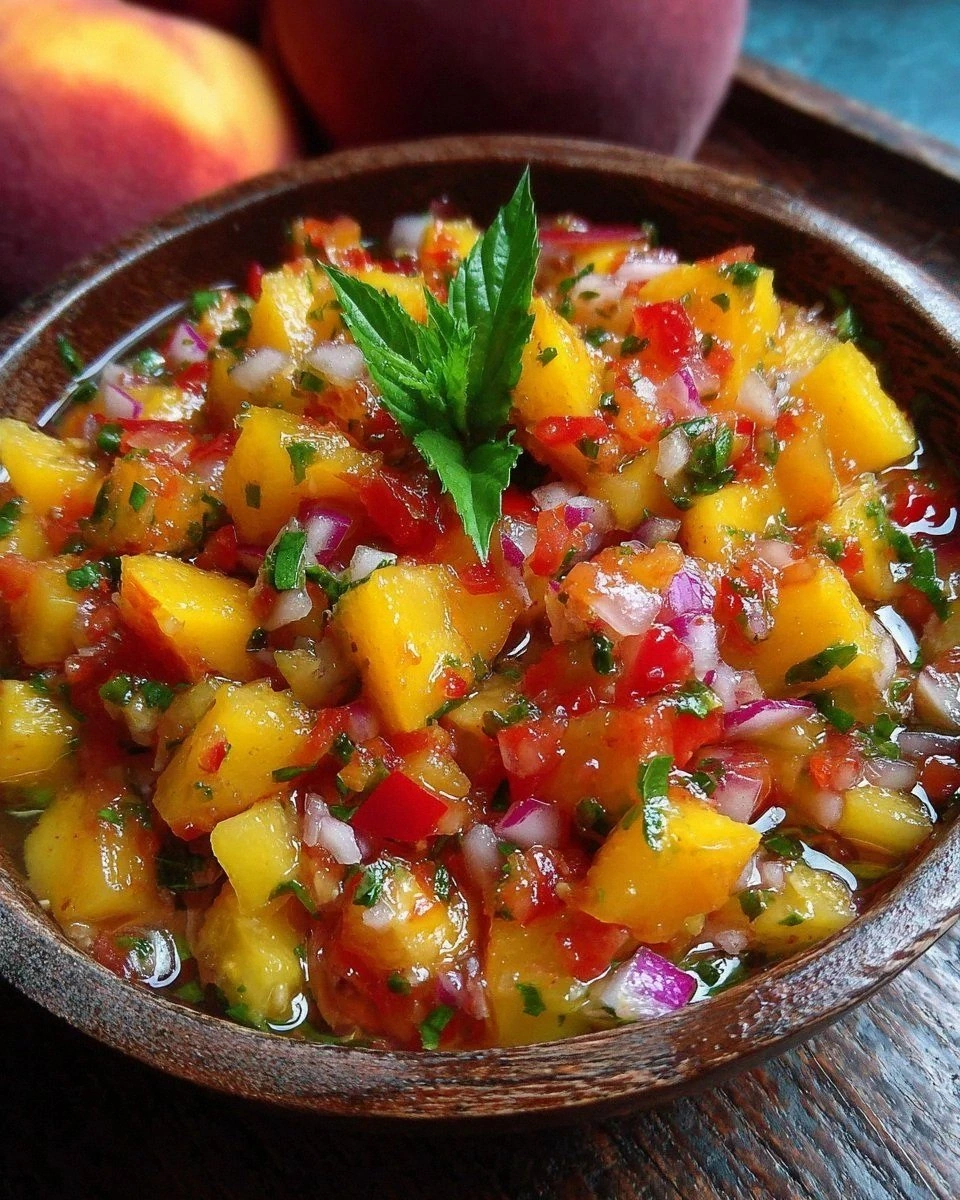
Kitchen Hack: If you’re short on time, toss the veggies into the microwave for 30 seconds on high; they’ll soften just enough to blend well.Transfer the toasted veggies to the bowl with the peaches. Add the minced jalapeño (if you’re using it), and give everything a gentle toss. At this point, you should notice the colors mingling—vivid orange, red, and green—making the salsa look as inviting as a sunrise. Let the mixture sit for about five minutes; this brief rest allows the flavors to start mingling, and the peach juices will begin to coat the other ingredients.
Meanwhile, finely chop the cilantro, keeping the stems if you like extra herbaceous punch. Sprinkle the cilantro over the fruit‑veg blend, and drizzle the freshly squeezed lime juice all over. The lime’s acidity will brighten the sweet peaches instantly, creating that “pop” sensation you crave.
Watch Out: Adding lime too early can make the peaches turn mushy; always add it right before serving for optimal texture.Season with a pinch of salt—start with ¼ teaspoon, then taste and adjust. Remember, salt is the flavor amplifier; too little and the salsa will feel flat, too much and the delicate peach sweetness will be masked. Stir once more, ensuring every piece is evenly coated. This is the moment of truth: the aroma should be a harmonious blend of sweet fruit, fresh herbs, and a faint peppery undertone.
If you’re planning to serve the salsa within an hour, cover the bowl with plastic wrap and refrigerate. The chill will tighten the fruit’s texture while allowing the flavors to meld further. For a party, you can prepare this up to 12 hours ahead—just keep the lime juice separate and add it right before serving to maintain that bright zing.
When it’s time to plate, give the salsa a final gentle toss. Taste once more—if the flavor feels a touch shy, add a tiny squeeze of lime or a pinch more salt. Serve with sturdy tortilla chips, grilled shrimp, or as a topping for fish tacos. Picture yourself pulling this out of the fridge, the whole kitchen smelling incredible, and guests reaching for the bowl like it’s a treasure chest.
And now the fun part: enjoy! I dare you to taste this and not go back for seconds. The sweet‑spicy balance, the crunch, the fresh herb finish—it’s all there, and it’s pure, unadulterated summer on a spoon.
That's it — you did it. But hold on, I've got a few more tricks that'll take this to another level…
Insider Tricks for Flawless Results
The Temperature Rule Nobody Follows
Never toss hot ingredients into a cold bowl; the sudden temperature shock can cause the fruit to release excess moisture, turning your salsa watery. Instead, let the toasted veggies cool for a minute or two before mixing. This small pause preserves the crisp texture of the peppers and onions, ensuring every bite stays satisfying.
Why Your Nose Knows Best
Before you add the final pinch of salt, take a deep sniff of the mixture. If you detect a faint citrus scent, you’re close to perfect seasoning. Your nose can sense subtle imbalances that your tongue might miss, especially when the lime’s aroma is still bright.
The 5‑Minute Rest That Changes Everything
After combining all ingredients, let the salsa sit uncovered for exactly five minutes. This short rest allows the flavors to meld without the fruit becoming soggy. A friend tried skipping this step once — let's just say the salsa tasted flat and the peaches were oddly rubbery.
The Secret of the Cilantro Stems
Don’t toss those cilantro stems! They’re packed with flavor and a bit of extra crunch. Roughly chop them with the leaves; the stems add a subtle earthiness that rounds out the bright lime.
The “Salt‑First” Technique
Add a pinch of salt to the diced peaches before mixing with the other ingredients. This draws out a tiny amount of juice, which then re‑absorbs the lime and cilantro flavors, intensifying the overall taste.
Creative Twists and Variations
This recipe is a playground. Here are some of my favorite ways to switch things up:
Mango‑Meets‑Peach
Swap half of the peaches for ripe mango cubes. The tropical duo creates a richer sweetness that pairs beautifully with grilled pork.
Spicy Chipotle
Replace the jalapeño with a minced chipotle pepper in adobo sauce. The smoky heat adds depth, turning the salsa into a perfect companion for roasted corn.
Herb Garden Mix
Add a tablespoon of chopped mint and a sprinkle of basil alongside cilantro. This herbaceous twist brightens the salsa for serving with fish tacos.
Coconut‑Lime Splash
Stir in a tablespoon of toasted coconut flakes and replace half the lime juice with coconut milk. The result is a creamy, island‑style salsa that works wonders on grilled chicken.
Savory Tomato Fusion
Add a handful of diced heirloom tomatoes for a juicy, slightly acidic counterpoint. This version leans more toward traditional salsa while keeping the peach’s sweet backbone.
Storing and Bringing It Back to Life
Fridge Storage
Transfer the salsa to an airtight glass container and store it in the refrigerator for up to 3 days. Keep the lime juice separate if you anticipate storing longer than 24 hours; add it just before serving to maintain that fresh pop.
Freezer Friendly
You can freeze the salsa without the cilantro and lime. Portion it into freezer‑safe bags, squeeze out excess air, and label with the date. It will keep for up to 2 months. Thaw in the fridge overnight, then stir in fresh cilantro and a splash of lime juice to revive the flavors.
Best Reheating Method
If you need to warm the salsa (for example, to serve over grilled fish), place it in a saucepan over low heat, adding a tiny splash of water—just enough to create steam. This prevents the fruit from drying out and keeps the texture lively.