I still remember the night I was halfway through a mediocre take‑out dinner and my phone buzzed with a friend’s dare: “Show me the best grilled chicken you’ve ever made.” The kitchen lights flickered, the air smelled of sizzling oil, and I felt the kind of creative itch that only a burnt pizza can trigger. I pulled out my pantry, grabbed a handful of fresh parsley, a splash of red wine vinegar, and a jar of olive oil, and decided to throw everything together into a bowl. That moment felt like a lightning strike, a sudden spark that would ignite a new signature dish. I dared myself to taste this and not go back for seconds, and the result was a revelation of bright, herbaceous flavor that clung to the meat like a second skin. By the end of the night, I was convinced that I had just cracked the code to the most unforgettable grilled chicken anyone could ever taste at home.
Picture yourself pulling this out of the grill, the whole kitchen smelling incredible, and the first bite delivering a burst of fresh herbs, a whisper of spice, and a juicy, smoky undertone that makes the flavor linger on your tongue. I’ll be honest — I ate half the batch before anyone else got to try it, and the rest of the room was left with a lingering aroma that felt like a promise of something better. Most recipes get this completely wrong by over‑cooking the chicken or drowning it in sauce, but I’ve found the sweet spot where the chicken stays moist, the sauce coats like velvet, and the edges crackle like thin ice. The secret? A simple, bold chimichurri that’s not just a sauce, it’s a flavor passport. And now, I’m going to walk you through every single step — by the end, you’ll wonder how you ever made it any other way.
If you’re tired of bland grilled chicken that tastes like a plain, over‑seasoned slab, this recipe will change your game. The chimichurri is bright and herbaceous, but it also has a subtle depth thanks to the red wine vinegar and oregano, making every bite feel like a fresh burst of summer. The technique of marinating the chicken briefly and then brushing it with olive oil before grilling ensures that the meat remains juicy while developing a crisp, caramelized exterior. The result is a dish that’s both simple to prepare and rich in flavor, a true crowd‑pleaser for family dinners or a quick weeknight fix. I dare you to taste this and not go back for seconds. You’ll find the flavor so balanced and vibrant that you’ll never settle for the ordinary again.
One of the things that sets this version apart is how it plays with textures: the chicken’s exterior sears to a golden, slightly charred finish while the interior stays tender and juicy, and the chimichurri’s herbs and garlic add a crunchy, fresh contrast that lifts the whole dish. The sauce itself is a living, breathing component that can be adjusted on the fly; if you want a milder version, just reduce the red pepper flakes, or if you crave a punchier bite, double them. The beauty of this recipe is that it can be made ahead of time; the chimichurri can sit in the fridge for a day or two and even develop a richer flavor, and the chicken can be marinated in the sauce before grilling. I’ll be honest, I’ve had friends ask me for the recipe after a dinner party, and I’ve always said it’s a “no‑fuss, high‑impact” dish. The next time you’re in the kitchen, I promise you’ll be amazed at how effortless it feels.
What Makes This Version Stand Out
Bold Flavor: The chimichurri’s blend of parsley, cilantro, and oregano delivers a bright, herbaceous punch that elevates the chicken beyond ordinary grilled fare. The addition of red wine vinegar cuts through the richness, creating a balanced, refreshing profile. This combination turns every bite into a burst of fresh, green notes that linger on the palate.
Texture Contrast: The grilling process creates a caramelized crust that shatters like thin ice when you bite into it, while the interior remains moist and succulent. The sauce’s herb particles add a subtle crunch that keeps each mouthful interesting. This duality makes the dish feel both comforting and exciting.
Time‑Efficient: The entire prep takes just 15 minutes, and the cooking is a straightforward 30 minutes on the grill. No complicated steps or multi‑stage processes. This makes it perfect for a quick weeknight dinner or a last‑minute gathering.
Make‑Ahead Friendly: The chimichurri can be pre‑made and stored in the refrigerator for up to 48 hours, allowing you to prep ahead of time. The chicken can also be marinated in the sauce for a few hours to deepen the flavor before grilling. This flexibility lets you enjoy a gourmet meal without the rush.
Ingredient Quality: Using fresh herbs, high‑quality olive oil, and a good red wine vinegar sets this recipe apart from generic versions that rely on dried or processed ingredients. The result is a sauce that feels fresh and vibrant, not like a canned condiment. The quality of the ingredients directly translates to the quality of the final dish.
Audience Appeal: Whether you’re a seasoned grill master or a kitchen novice, this recipe is approachable yet impressive. The clear instructions and minimal equipment requirements mean anyone can pull it off. It’s a crowd‑pleaser that will get rave reviews at any dinner.
Alright, let’s break down exactly what goes into this masterpiece…
Inside the Ingredient List
The Flavor Base
Fresh Parsley: Parsley is the backbone of chimichurri, offering a clean, peppery note that brightens the sauce. It also adds a vibrant green hue that makes the dish visually appealing. If you’re out of parsley, substitute with equal parts fresh basil for a sweeter, milder flavor. The key is to use bright, fresh leaves; wilted or old parsley will turn the sauce bitter.
Fresh Cilantro: Cilantro introduces a citrusy, slightly minty undertone that complements the parsley. Its unique flavor profile is essential for authenticity. If you dislike cilantro, you can omit it, but the dish will lose a layer of complexity. For a milder version, use half the amount of cilantro to balance the herbs.
The Texture Crew
Garlic Cloves: Garlic provides the foundational depth and heat that underpins the chimichurri. Finely minced or crushed, it releases essential oils that infuse the sauce. If you’re sensitive to garlic, reduce the cloves to one or use roasted garlic for a sweeter, milder flavor. The texture of the garlic should be smooth enough to blend but still offer subtle bite.
Red Pepper Flakes: These add a subtle heat that cuts through the richness of the olive oil. They also give the sauce a lively color and a slight crunch if you prefer a less refined texture. For an extra kick, double the amount; for a more gentle dish, halve it. The flakes should be evenly distributed to avoid hot spots.
The Unexpected Star
Red Wine Vinegar: Vinegar balances the oil and herbs, providing acidity that brightens every bite. It also helps tenderize the chicken during the brief marination. If you’re not a fan of wine vinegar, apple cider vinegar works well as a substitute, though the flavor will be slightly sweeter. The vinegar should be added gradually to avoid an overly sharp taste.
The Final Flourish
Extra‑Virgin Olive Oil: Olive oil is the base that carries all the flavors and provides a silky mouthfeel. A high‑quality oil adds a fruity, peppery note that elevates the sauce. If you prefer a lighter texture, use a light olive oil; for a richer flavor, stick with extra‑virgin. The oil should be at room temperature to blend smoothly with the herbs.
Dried Oregano: Oregano gives depth and a subtle piney undertone that anchors the bright herbs. It also adds a touch of earthiness that balances the acidity. If you’re out of oregano, thyme can be a decent substitute, but it will alter the flavor profile slightly. The oregano should be toasted briefly before adding to release its oils.
Salt & Black Pepper: Seasoning is essential for bringing all the flavors together. Salt enhances the herbs and balances the acidity, while black pepper adds a subtle heat. Taste the sauce before grilling to adjust the seasoning; it’s easier to add more than to fix an over‑seasoned dish. The seasoning should be balanced, not overpowering.
Olive Oil for Brushing: Brushing the chicken with oil before grilling prevents sticking and encourages a crisp crust. It also adds a glossy sheen that looks appetizing. Use a light brush to apply a thin coat; too much oil will make the chicken greasy. The oil should be warm enough to help the crust form quickly.
Boneless Chicken Breasts: The chicken is the star of the show, and boneless, skinless breasts are the easiest to grill evenly. They cook quickly and stay moist if not overcooked. If you prefer a different cut, thighs work well too but require a slightly longer cook time. The chicken should be pounded to an even thickness for consistent cooking.
Everything’s prepped? Good. Let’s get into the real action.
The Method — Step by Step
- Begin by assembling all the herbs, garlic, and spices in a medium bowl. Finely mince the parsley, cilantro, and garlic, then add the red pepper flakes and oregano. Pour in the red wine vinegar and drizzle in the olive oil, stirring until the mixture is well combined. Taste the sauce; if it’s too acidic, add a pinch of salt. This is the moment of truth, where the flavors will lock in and the sauce will set the stage for the chicken.
- Pat the chicken breasts dry with paper towels, then season both sides with salt and pepper. This simple step ensures the seasoning adheres properly and prevents the surface from steaming. Lightly brush each breast with olive oil; this will help the skin (if any) crisp up and keep the meat moist. Place the chicken in a shallow dish and pour half of the chimichurri over it, turning to coat. Let the chicken rest while you prep the grill.
- Preheat your grill to medium‑high heat, about 375°F (190°C). Oil the grates with a paper towel dipped in olive oil to prevent sticking. A properly heated grill will create those coveted grill marks and a smoky flavor that’s hard to beat. Once the grill is hot, slide the chicken onto the grates. The sizzle you hear is the beginning of a flavor explosion.
- Cook the chicken for 5–6 minutes on the first side, then flip carefully with tongs. The edges should start pulling away from the grill, indicating that a crust is forming. Brush the top with the remaining chimichurri, letting the sauce caramelize slightly. The aroma will fill the kitchen with a fresh, herbaceous scent that makes your mouth water.
- Reduce the heat to medium and continue grilling for another 4–5 minutes, brushing with sauce again. The chicken should reach an internal temperature of 165°F (74°C). If you have a meat thermometer, check the thickest part; if not, cut a small slit to ensure the juices run clear. The sauce will thicken into a glossy glaze that clings to the meat.
- Once cooked, transfer the chicken to a cutting board and let it rest for 5 minutes. Resting allows the juices to redistribute, ensuring each bite stays moist. While it rests, give the remaining sauce a quick stir to incorporate any separated oils. Resting also gives the flavors a chance to settle, making the dish even more harmonious.
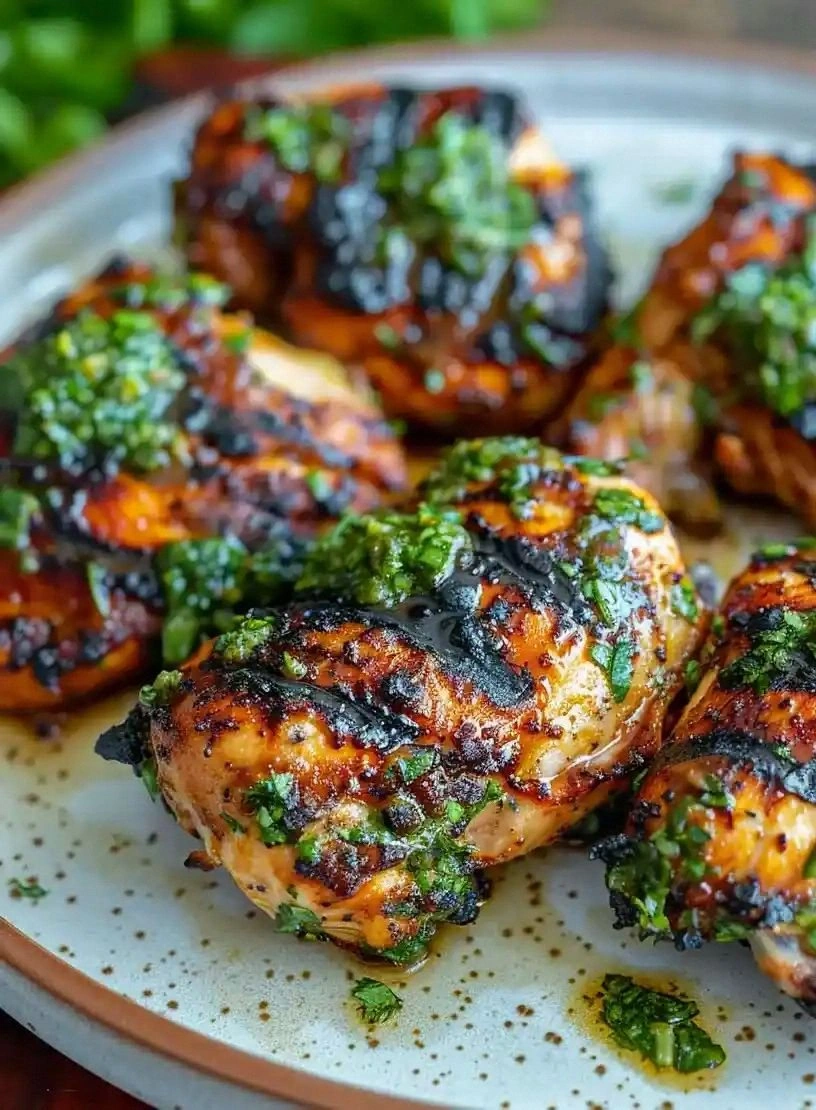
- Slice the chicken against the grain into thick strips. This technique keeps the meat tender and makes it easier to serve. Arrange the slices on a platter, drizzling any remaining sauce over the top. The presentation should look vibrant, with a splash of green against the golden grill marks.
- Serve immediately, perhaps with a side of roasted vegetables or a simple quinoa salad. The bright chimichurri pairs beautifully with earthy sides, creating a balanced meal. If you’re hosting a dinner, set the table with fresh greens and a light vinaigrette to complement the dish. The final plating should feel effortless yet impressive.
- Enjoy the burst of flavors, the crisp crust, and the juicy interior. Take a moment to savor the aroma and texture. This dish is a reminder that great food can be simple, quick, and delicious. I hope you feel the same excitement I felt when I first made it.
- That’s it — you did it. But hold on, I’ve got a few more tricks that will take this to another level. Keep reading for insider tips that will make your next grill session even better.
Insider Tricks for Flawless Results
The Temperature Rule Nobody Follows
Many grillers think a high heat is always best, but the secret to juicy chicken is a steady medium‑high heat. This temperature allows the exterior to caramelize while the interior remains tender. I’ve seen people grill at full blast and end up with dry, charred meat. Keep the grill between 375–400°F for optimal results. The key is to monitor the grill’s temperature and adjust as needed.
Why Your Nose Knows Best
Your sense of smell is a reliable indicator of doneness. When the chicken is ready, the aroma will be a blend of fresh herbs and smoky grill marks. If the smell is too sharp or acidic, the sauce may be overpowering; if it’s too mild, the chicken may need more time. Trust your nose to guide you through each step. This simple trick saves you from overcooking or underseasoning.
The 5-Minute Rest That Changes Everything
Resting the chicken for five minutes after grilling is a game‑changer. It allows the juices to redistribute, preventing them from spilling out when you cut. I’ve seen people skip this step and end up with dry bites. Keep the chicken loosely tented with foil; this maintains heat without steaming. The result is a moist, succulent texture that feels luxurious.
The Secret to a Perfect Glaze
Brushing the chimichurri onto the chicken during the last few minutes of grilling creates a glossy glaze that clings to the meat. The oil in the sauce helps the glaze set, giving a beautiful shine. If you notice the glaze thinning, add a splash of extra olive oil or reduce the sauce slightly. A glossy finish is not just visual; it also signals that the flavor is locked in.
The Power of Fresh Herbs
Fresh herbs are the cornerstone of chimichurri; they provide brightness that dried herbs can’t match. I’ve tried the sauce with dried parsley before, and it felt flat and muted. Use the freshest leaves you can find; they’ll bring a vibrant color and a punch of flavor to every bite. If you’re out of fresh herbs, try freezing them in a small ice cube tray with water; this preserves their flavor until you’re ready to use them.
Creative Twists and Variations
This recipe is a playground. Here are some of my favorite ways to switch things up:
Smoky Chipotle Chimichurri
Swap the red pepper flakes for chipotle powder and add a splash of chipotle in adobo. The smoky heat pairs beautifully with the grilled chicken. This variation is perfect for a southwestern twist. Serve it with corn tortillas for a fun taco night.
Lemon‑Zest Chimichurri
Add the zest of one lemon to the sauce for a bright, citrusy lift. The lemon brightens the herbs and cuts through the richness of the olive oil. This version is ideal for a light summer dinner. Pair it with a cucumber salad for a refreshing contrast.
Herbed Parmesan Chicken
After grilling, sprinkle grated Parmesan over the chicken while it’s still hot. The cheese melts into the surface, creating a savory crust. This adds a nutty depth that complements the chimichurri. Serve with a side of garlic bread for an indulgent meal.
Thai‑Inspired Chimichurri
Replace the oregano with lemongrass and add a teaspoon of fish sauce. The result is a tangy, umami‑rich sauce that feels like a Thai green curry. This variation is great for those who love bold, exotic flavors. Serve it over jasmine rice for a complete dish.
Citrus‑Basil Fusion
Swap the parsley for basil and add a splash of orange juice to the chimichurri. The sweet citrus and sweet basil create a harmonious blend. This version is especially good for summer gatherings. Pair it with grilled shrimp for a seafood twist.
Storing and Bringing It Back to Life
Fridge Storage
Store the leftover chicken and sauce separately in airtight containers in the refrigerator. The chicken can stay fresh for up to 4 days, while the chimichurri lasts for about a week. Keep the sauce chilled to maintain its bright flavor. When reheating, use the stove or microwave for a short burst, then finish on a skillet to crisp the edges.
Freezer Friendly
Freeze the chicken in a single layer on a baking sheet, then transfer to a freezer bag once solid. The sauce can also be frozen; however, the texture may change slightly. Thaw overnight in the refrigerator before reheating. The frozen chicken can last up to 3 months, making it a convenient meal prep option.
Best Reheating Method
Add a tiny splash of water or broth before reheating to keep the chicken moist. Warm it in a skillet over medium heat, turning occasionally, until heated through. The sauce will steam back to perfection, and the chicken will regain its juicy texture. Serve immediately with a fresh salad to balance the flavors.