I remember the night I was supposed to impress a group of coworkers with a simple pasta dish, and the kitchen turned into a battlefield. I had a bag of cheese tortellini, a splash of heavy cream, and a jar of Cajun seasoning that had been sitting in my pantry for months, but I forgot to add the fresh veggies and the protein that would make it truly unforgettable. The result was a bland, soggy bowl that left everyone asking for more. That disaster sparked a culinary mission: to turn that ordinary tortellini into an explosion of flavor that would have everyone begging for seconds. I dared myself to create a dish that would make the sauce coat the pasta like velvet, the peppers crunch like thin ice, and the Cajun heat dance across the palate. I promised myself that this version would be hands down the best you’ll ever make at home, and I was ready to prove it. Let me walk you through every single step — by the end, you'll wonder how you ever made it any other way.
The first time I tried this recipe, I was skeptical. The idea of mixing Alfredo with Cajun spices seemed like a culinary crime. But the moment the sauce hit the pan, the aroma was a siren call that pulled me into a kitchen adventure. I could hear the sizzle as the peppers and onions melted into a fragrant base, the garlic releasing its warm perfume. The sight of the creamy sauce glistening over the pasta was like a glossy black top of a glossy car, ready to roar. The taste was a perfect marriage of buttery richness and a subtle kick that made my mouth water. If you've ever struggled with balancing creamy and spicy, you're not alone — and I've got the fix.
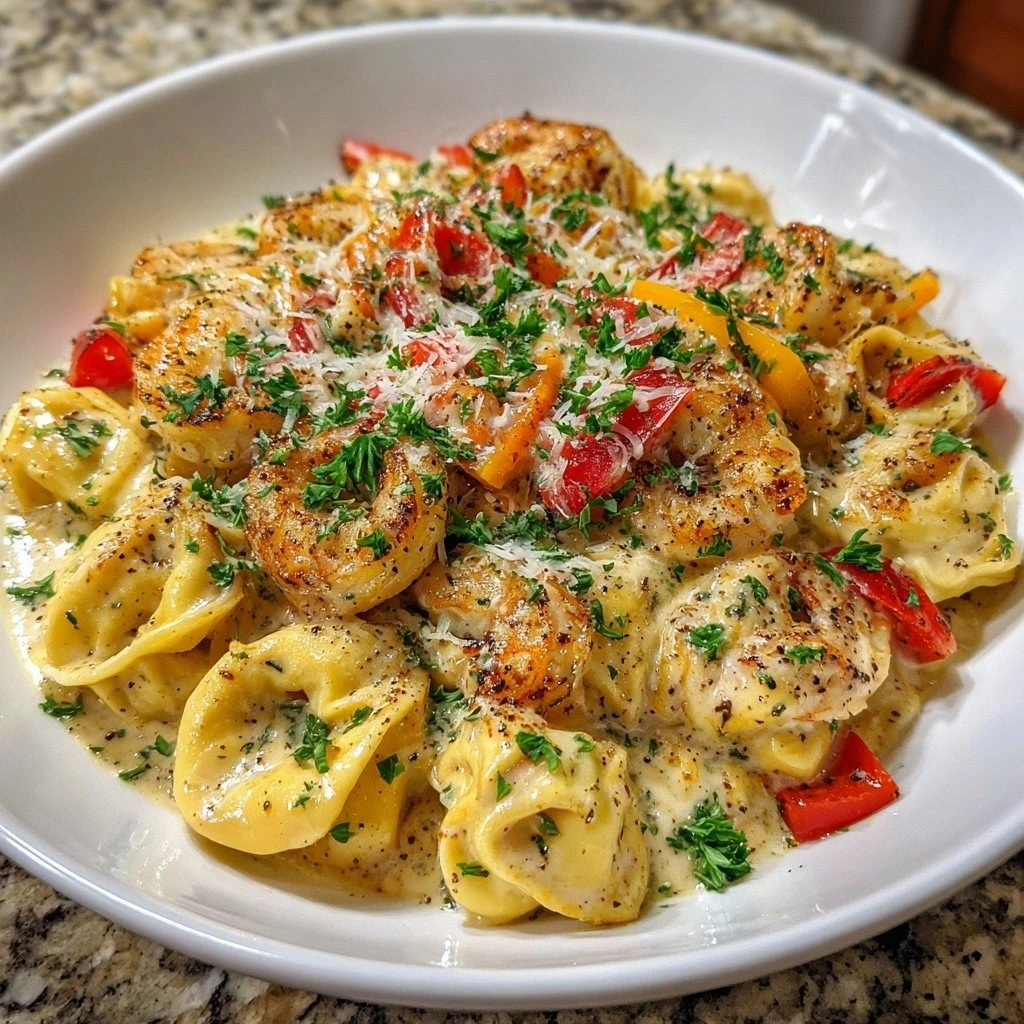
Picture yourself pulling this out of the skillet, the whole kitchen smelling incredible, and the family or friends gathering around the table, eyes wide with anticipation. The first bite is a rush of silky cream, a burst of peppery heat, and a pop of tomato sweetness that lingers on the tongue. I dare you to taste this and not go back for seconds. The texture is a contrast of tender tortellini, crisp peppers, and juicy shrimp or chicken that makes each forkful an adventure. The colors are vibrant: bright red tomatoes, green parsley, and the golden sheen of the sauce. The sound of the skillet is a comforting hum that signals that everything is working together. The moment you take that first bite, you know you’re in for a culinary celebration.
Most recipes get this completely wrong. They either overcook the pasta or underseason the sauce, resulting in a dish that feels flat and forgettable. Here, I’ve engineered a method that preserves the integrity of each component while allowing the flavors to mingle harmoniously. The sauce doesn’t drown the pasta; it embraces it like a gentle hug. The vegetables remain vibrant and crisp, not mushy, and the protein stays juicy and flavorful. The result is a dish that’s both comforting and exciting, a true crowd-pleaser. This version stands out because it balances creamy, spicy, and fresh in a way that’s simple yet unforgettable. And if you’re wondering what makes it so special, the answer lies in the details that I’ll walk you through.
I’m not going to give you a vague “just cook it” recipe. I’ll give you the precise ingredients, the exact technique, and the little hacks that elevate the dish from good to legendary. I’ll share the secret of letting the sauce thicken just enough to cling to the pasta, the trick to avoid a buttery, separated sauce, and the way to keep the peppers crisp. I’ll also reveal how to make the dish look like a restaurant‑grade skillet dinner, complete with a glossy finish and a sprinkle of fresh parsley that adds a pop of color. By the end of this post, you’ll have all the tools you need to create a dish that will be the talk of the dinner table. So grab your skillet, and let’s get cooking.
What Makes This Version Stand Out
- Flavor Depth: The blend of Cajun seasoning and creamy Alfredo creates a complex taste profile that is both comforting and daring. The heat is balanced, not overpowering, allowing each bite to reveal layers of flavor.
- Texture Contrast: The crisp bell peppers and juicy shrimp or chicken provide a satisfying bite against the silky sauce and tender tortellini. The sauce clings to each piece, preventing a greasy, soupy mess.
- Visual Appeal: The bright reds of the cherry tomatoes, the green of the parsley, and the golden sheen of the sauce make the dish a feast for the eyes before it even reaches the plate.
- Ease of Preparation: With just one skillet and a few pantry staples, this dish comes together in under an hour, making it ideal for busy weeknights.
- Adaptability: Whether you prefer chicken, shrimp, or a plant‑based protein, the recipe adjusts seamlessly, keeping the flavor intact.
- Make‑Ahead Friendly: Leftovers reheat beautifully, and the sauce can be thickened or thinned with a splash of pasta water or milk.
Inside the Ingredient List
The Flavor Base
Heavy cream is the backbone of this sauce, providing a luscious mouthfeel that carries the Cajun spices. It’s the creamy canvas that allows the peppery notes to shine. Without it, the dish would feel thin and lack the signature Alfredo richness. If you’re watching calories, you can swap for half‑and‑half or a lighter cream, but expect a lighter texture.
Grated Parmesan adds depth and a salty finish that balances the heat from the Cajun seasoning. It also helps thicken the sauce as it melts into the cream. If you’re lactose intolerant, a dairy‑free Parmesan alternative works, though the flavor will be slightly different. The key is to add it gradually to avoid clumps.
Unsalted butter brings richness and a silky sheen to the sauce. It also helps the sauce emulsify, preventing separation. Use a high‑quality butter for the best flavor. If you prefer a vegan version, replace butter with a plant‑based butter or coconut oil.
Garlic is the aromatic heart of this dish, infusing every bite with warmth. Mince it finely to release its oils without creating large clumps. If you’re sensitive to garlic, reduce the amount to 1 clove, but you’ll lose some depth.
Cajun seasoning is the secret weapon that gives this dish its signature kick. It’s a blend of paprika, cayenne, thyme, and other spices that create a smoky, spicy profile. Adjust the amount to your heat preference; you can double it for an extra punch or halve it for a milder version.
The Texture Crew
Cheese tortellini provides a hearty base that holds up against the sauce and proteins. Fresh tortellini cooks faster and has a more delicate flavor, but frozen is perfectly acceptable if you’re short on time. The key is to cook them al dente so they maintain a slight bite.
Bell peppers add a sweet crunch that contrasts the creamy sauce. Choose a mix of red, yellow, and green for color variety, and dice them finely to ensure they soften quickly. If you prefer a milder pepper, substitute zucchini or carrots for a subtle sweetness.
Onion brings a savory depth that complements the spicy and creamy components. Dice it small to integrate it smoothly into the sauce. For a sweeter onion flavor, try shallots instead.
Cherry tomatoes provide a burst of juiciness that brightens the dish. Halving them allows the juices to mingle with the sauce without overwhelming it. If you’re in the off‑season, sun‑dried tomatoes can offer a concentrated burst of flavor.
The Unexpected Star
Protein is the star that turns this dish from a side to a main course. Chicken offers a mild, versatile flavor that absorbs the sauce beautifully. Shrimp, on the other hand, adds a sweet, briny note that pairs wonderfully with Cajun spices.
If you’re a vegetarian, you can replace the protein with sautéed mushrooms or tofu. Mushrooms bring umami, while tofu offers a neutral base that soaks up the sauce. Either choice keeps the dish filling and satisfying.
The key to a great protein is to cook it just before adding the sauce. Overcooked chicken becomes dry, and shrimp can become rubbery. Keep it moist by cooking it to the last minute before adding the creamy mixture.
The Final Flourish
Fresh parsley is the finishing touch that adds a pop of color and a herbaceous brightness. Chop it finely so it disperses evenly throughout the dish. If you prefer a different herb, basil or cilantro can offer a fresh twist.
Salt and pepper are essential but subtle, enhancing the flavors without overpowering them. Taste as you go, and adjust as needed. A pinch of cayenne can also add a subtle heat if you’re looking for an extra kick.
Everything’s prepped? Good. Let’s get into the real action, where the magic happens.
The Method — Step by Step
- Bring a large pot of salted water to a rolling boil and cook the tortellini for 3 to 4 minutes until al dente. Reserve 1 cup of the pasta water before draining. This starchy water will help thicken the sauce later. While the pasta cooks, heat a tablespoon of olive oil in a large skillet over medium‑high heat. Add the diced onions and bell peppers, sautéing until they soften and develop a golden hue, about 4 to 5 minutes. The aroma of caramelized vegetables is a promise of the flavor to come.
- Add the minced garlic to the skillet and cook for 30 seconds, just until fragrant. Be careful not to let it burn; a burnt garlic taste will ruin the dish. The garlic should release its oils, creating a fragrant base that will carry the Cajun spices. This step is crucial for a balanced flavor profile.
- Sprinkle the Cajun seasoning over the vegetables, stirring to coat everything evenly. The spices should sizzle slightly, releasing their aromatic oils. This is the moment when the dish starts to feel like a Southern kitchen on fire. Keep the heat moderate to avoid burning the spices.
- Add the cooked chicken or shrimp to the skillet and cook for 2 minutes, allowing the protein to warm through and absorb some of the spice. If you’re using shrimp, watch for the pink change; overcooking will make them rubbery. If you’re using chicken, ensure it’s heated to the last minute to keep it juicy. The protein should feel warm and flavorful.
- Pour in the heavy cream and bring the mixture to a gentle simmer. The sauce should thicken slightly as it heats, forming a silky coating for the pasta. Stir occasionally to prevent sticking. The cream’s richness will mingle with the spices, creating a luxurious base.
- Add the unsalted butter, whisking until it melts completely and the sauce becomes glossy. The butter helps emulsify the sauce, preventing it from separating. If the sauce starts to look thin, let it simmer a bit longer, stirring constantly. The butter adds a buttery finish that elevates the dish.
- Stir in the grated Parmesan cheese gradually, allowing it to melt into the sauce. The cheese thickens the sauce further and adds a savory depth. If the sauce becomes too thick, add a splash of the reserved pasta water to reach the desired consistency. The goal is a velvety sauce that clings to the pasta without being soupy.
- Toss in the cooked tortellini, ensuring each piece is coated in the rich sauce. Let the pasta simmer in the sauce for 2 minutes, allowing it to absorb the flavors. The pasta should feel warm and coated, not soggy. This step is the moment when the dish truly comes together.
- Add the halved cherry tomatoes and reduce the heat to low, covering the skillet briefly to warm the tomatoes and allow their juices to mingle with the sauce. The tomatoes will soften slightly, adding a sweet burst to every bite. Keep the heat low to prevent the sauce from boiling over.
- Finish by sprinkling chopped parsley over the skillet, giving the dish a fresh, green pop that brightens the plate. Serve immediately, spooning the creamy, spicy pasta into bowls. Pair it with crusty bread or a side salad for a complete meal. The first bite should feel like a comforting hug with a kick of spice.
That’s it — you did it. But hold on, I've got a few more tricks that'll take this to another level. The next section will reveal insider tips that ensure your dish is flawless every time.
Insider Tricks for Flawless Results
The Temperature Rule Nobody Follows
The sauce’s temperature is the secret to a silky, cohesive texture. Keep it at a gentle simmer, never a rolling boil. A higher heat causes the cream to separate, resulting in a greasy, unappealing sauce. If you notice the sauce starting to look oily, reduce the heat immediately. This simple rule keeps the sauce smooth and luxurious.
Why Your Nose Knows Best
Smell the sauce as it cooks; if it starts to smell slightly burnt or metallic, it’s a sign the heat is too high. Your nose is your best judge of flavor balance. Adjust the heat down or stir more frequently. This sensory check prevents a ruined sauce and keeps the dish tasting fresh.
The 5-Minute Rest That Changes Everything
After draining the tortellini, let it rest in the pot for 5 minutes before adding it to the skillet. This brief pause allows the pasta to finish cooking in its own steam, keeping it al dente and preventing it from becoming mushy. It also lets the pasta absorb the sauce’s flavors more evenly.
Keep a Splash of Water
Reserve a splash of the pasta cooking water and keep it on hand. If the sauce becomes too thick, a tablespoon or two of this starchy water can rehydrate the sauce without diluting the flavor. The water also helps the sauce cling to the pasta, creating that coveted silky coating.
Use a Skillet with a Lid
Cover the skillet briefly after adding the cherry tomatoes. This traps steam and helps the tomatoes soften without releasing too much moisture into the sauce. The result is a more concentrated tomato flavor that complements the creamy base.
Don’t Rush the Parmesan
Add the Parmesan cheese gradually, whisking constantly to prevent clumps. If you add it all at once, the cheese may clump and create a gritty texture. Whisking ensures a smooth, even sauce that’s both rich and silky.
Creative Twists and Variations
Shrimp and Cajun Cream Pasta
Swap the chicken for peeled and deveined shrimp for a briny, sweet protein that pairs beautifully with the Cajun spices. The shrimp cooks quickly, adding a delightful texture that contrasts the creamy sauce. This version is ideal for seafood lovers and works well with a light white wine. The dish feels like a seaside dinner in your own kitchen.
Chicken and Roasted Red Pepper Alfredo
Replace the fresh bell peppers with roasted red peppers for a smoky sweetness. Roast them in the oven until charred, then slice and add to the skillet. The roasted flavor adds depth and pairs well with the creamy sauce. This variation is a great way to use seasonal produce and add a gourmet touch.
Vegan Twist
Use spinach or zucchini tortellini and replace the heavy cream with coconut milk or a dairy‑free cream. Substitute Parmesan with nutritional yeast for a cheesy flavor. This vegan version maintains the creamy texture while keeping the dish plant‑based. It’s a crowd‑pleaser for vegans and those looking to reduce dairy.
Breakfast Spin
Add sautéed spinach and top the skillet with a fried egg for a brunch‑ready dish. The egg yolk adds richness and a silky finish. This version works great for weekend breakfasts or a hearty brunch. The bright green spinach also adds a fresh contrast.
Gluten‑Free Edition
Swap the cheese tortellini for gluten‑free pasta or a gluten‑free tortellini. Ensure the seasoning and sauce are gluten‑free by checking labels. The dish remains creamy and spicy, just like the original. This version is perfect for those with gluten sensitivities.
Quick Fix
If you’re short on time, use a store‑bought Alfredo sauce as the base and simply stir in the Cajun seasoning, vegetables, and protein. This shortcut still delivers the same flavor profile with minimal effort. It’s ideal for busy weeknights when you still want something special.
Storing and Bringing It Back to Life
Fridge Storage
Place the leftover skillet in an airtight container and refrigerate for up to three days. The sauce may thicken slightly; add a splash of milk or cream when reheating to restore its silky texture. Store it in the main compartment of the fridge, not the door, to maintain a consistent temperature.
Freezer Friendly
To freeze, let the dish cool completely, then transfer it to a freezer‑safe container. Wrap the container tightly with plastic wrap to prevent freezer burn. The dish can be frozen for up to two months. Thaw overnight in the fridge before reheating.
Best Reheating Method
Reheat the dish in a skillet over medium heat, stirring occasionally. Add a tiny splash of water or milk to loosen the sauce and prevent it from drying out. Heat until the dish reaches an internal temperature of 165°F for safety. Serve immediately for the best texture.