Picture this: it’s a rainy Thursday night, the kind that makes you want to curl up with a blanket, a good movie, and something that feels like a hug from the inside. I was battling a pantry that looked like a post‑apocalypse scene—just a lonely bag of rice, a half‑forgotten pack of smoked sausage, and a bottle of barbecue sauce that had been flirting with its expiration date for months. I dared my roommate to a “best comfort food” showdown, and honestly, I was terrified I’d lose. That fear turned into a fire‑starter, and what emerged from my one‑pan experiment was nothing short of a culinary revelation.
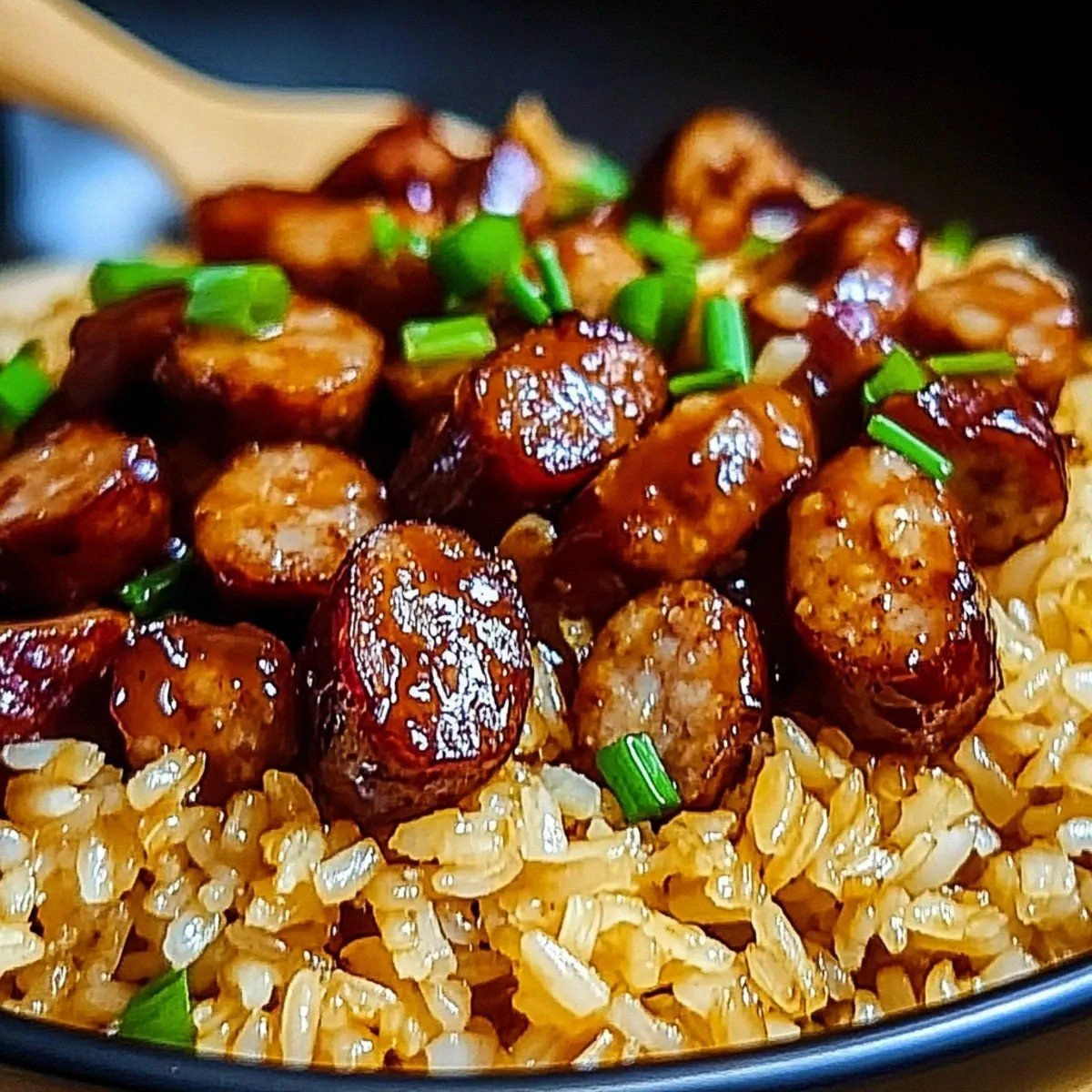
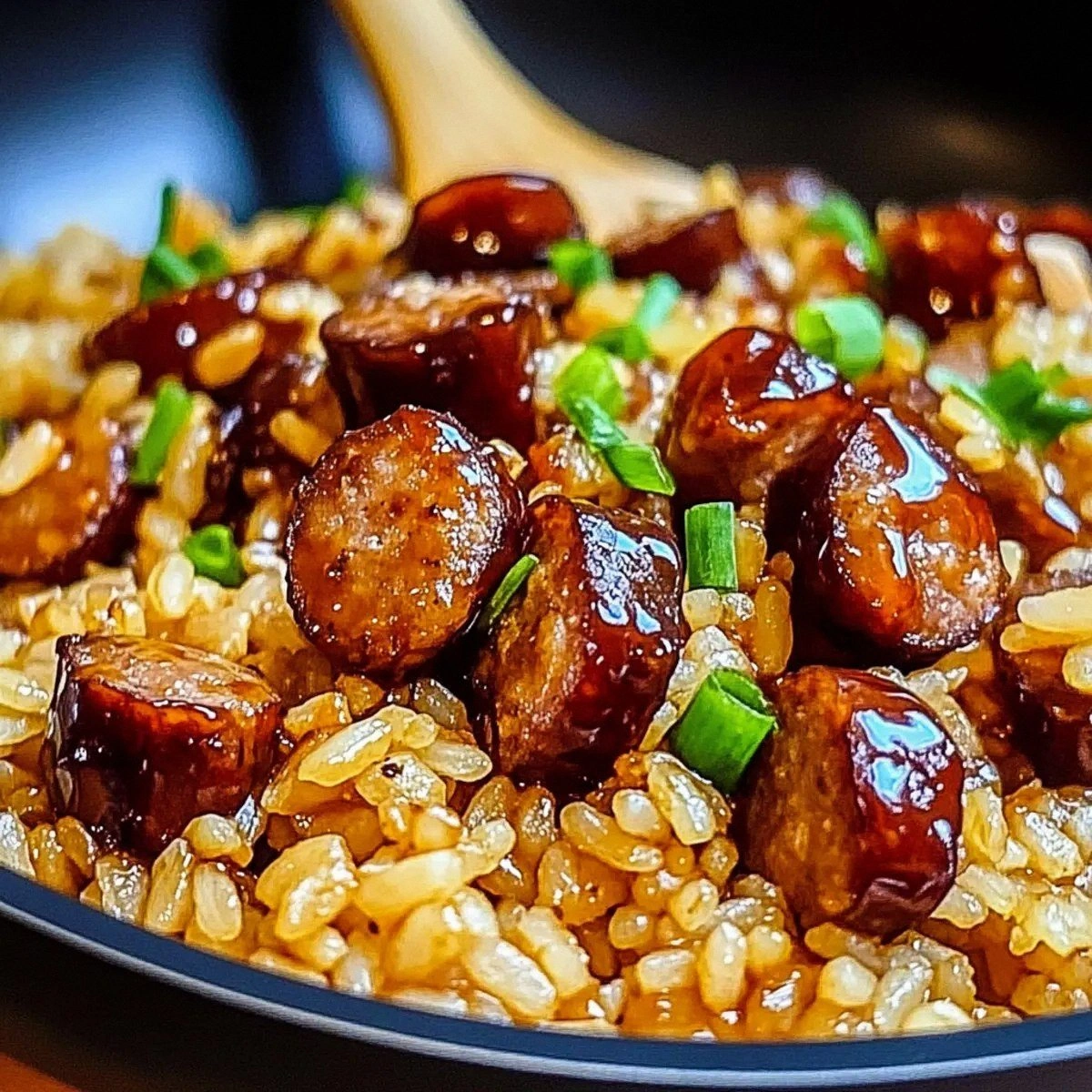
The kitchen filled with a chorus of sounds: the sizzle of olive oil meeting a hot pan, the gentle pop of sausage slices as they browned, and the faint hiss of garlic releasing its perfume. The aroma was a head‑on collision between smoky wood‑fire notes and sweet, tangy barbecue glaze, wrapping the room in a warm, caramel‑kissed fog that made my nose do a little happy dance. My eyes were drawn to the deep amber sauce bubbling around the rice, while the rice itself swelled like a tiny, obedient cloud, soaking up every drop of flavor. When I finally lifted the lid, the steam rose like a curtain call, and the first bite was a revelation—sweet, smoky, and just a touch salty, with the rice perfectly fluffy and the sausage still holding that satisfying snap.
Why does this version eclipse every other one‑pan sausage‑rice you’ve ever tried? Most recipes treat the sauce as an afterthought, a drizzle that never truly integrates. Not here. I’m talking about a method where the barbecue sauce is the star, reduced and caramelized before it meets the rice, creating a glossy, velvety coating that clings to every grain like a second skin. The secret? A quick deglaze with chicken broth that lifts the browned bits—those are flavor gold mines. And let’s not forget the optional splash of soy sauce, which adds a subtle umami depth that makes the dish sing on a whole new level.
Now, I’ll be honest—I ate half the batch before anyone else could get a forkful. That’s how addictive it is. I dare you to taste this and not go back for seconds. If you’ve ever struggled with soggy rice or bland sausage, you’re not alone—and I’ve got the fix. Okay, ready for the game‑changer? Let me walk you through every single step — by the end, you’ll wonder how you ever made it any other way.
What Makes This Version Stand Out
- Flavor Fusion: The sweet‑tangy barbecue sauce melds with smoky sausage, creating a taste explosion that balances sweet, salty, and smoky notes in perfect harmony.
- Texture Triumph: The rice stays fluffy and separate, while the sausage retains a crisp edge that shatters like thin ice when you bite into it.
- Simplicity: Only one pan, minimal cleanup, and a handful of pantry staples—perfect for busy weeknights or lazy weekends.
- Unique Ingredient Twist: A splash of soy sauce adds an umami depth that most recipes completely miss, turning ordinary into extraordinary.
- Crowd‑Pleaser: This dish sparks instant applause at dinner tables; even the pickiest eaters can’t resist the caramelized glaze.
- Ingredient Quality: Using smoked sausage instead of plain links injects a deep, wood‑smoked backbone that carries the sauce beautifully.
- One‑Pan Method: By cooking the rice directly in the sauce‑infused broth, you lock in flavor and avoid the dreaded watery rice disaster.
- Make‑Ahead Potential: It reheats beautifully, and the flavors actually deepen after a night in the fridge.
Inside the Ingredient List
The Flavor Base
Smoked Sausage (1 lb): This is the heart of the dish. The smoke infuses the rice with a deep, rustic flavor that plain chicken or pork can’t match. If you skip it, you’ll lose the signature smoky backbone, and the sauce will feel a little flat. Swap: Use kielbasa or Andouille for a spicier kick, but keep the smoking element.
Barbecue Sauce (0.5 cups): The sweet‑tangy glaze that ties everything together. It caramelizes into a glossy coating that clings to each grain of rice like velvet. Using a low‑sugar sauce will result in a thinner glaze; for a thicker, richer coat, opt for a sauce with molasses or honey.
Soy Sauce (1 tbsp, optional): This tiny addition is a secret weapon, adding a subtle umami depth that makes the flavor profile feel more complex. Omit it if you’re watching sodium, but you’ll miss that little “wow” factor.
The Texture Crew
Long Grain Rice (1.5 cups, uncooked): The long grains stay separate and fluffy, absorbing the broth without turning mushy. If you substitute short‑grain rice, expect a stickier, more risotto‑like texture, which isn’t the goal here.
Chicken Broth (2.5 cups): This liquid is the cooking medium that infuses the rice with savory depth. Homemade broth will elevate the dish, but low‑sodium store‑bought works fine. Skipping the broth and using water will make the rice bland and dry.
The Unexpected Star
Olive Oil (2 tbsp): A good quality oil helps brown the sausage and sauté the aromatics, creating that golden‑brown crust that adds crunch. Using butter instead will give a richer flavor but can cause the sauce to separate if overheated.
Garlic (2 cloves, minced): Garlic adds a pungent, aromatic backbone that brightens the smoky notes. Overcooking it will make it bitter, so keep an eye on the pan.
The Final Flourish
Onion (1 medium, finely chopped): The onion softens and sweetens as it cooks, balancing the tang of the barbecue sauce. If you skip it, you’ll miss that subtle sweetness that rounds out the dish.
Chopped Green Onions/Parsley: Added at the end for a fresh, herbaceous lift that cuts through the richness. You can use cilantro for a different twist, but the classic green onion keeps it familiar.
Salt and Pepper: Season to taste. They enhance all the flavors and bring the dish together. A pinch of smoked paprika can also be added for extra depth.
Everything's prepped? Good. Let's get into the real action...
The Method — Step by Step
Heat a large, heavy‑bottomed skillet over medium‑high heat and add the olive oil. As soon as it shimmers, lay the sliced smoked sausage in a single layer. Let it sizzle without moving it for about 2 minutes; you’ll hear that satisfying crackle that tells you a crust is forming. Flip the slices and brown the other side for another 2 minutes. This is the moment of truth—if the sausage isn’t golden, you’ve missed the flavor foundation.
Kitchen Hack: After browning, push the sausage to the side of the pan and use the same pan for the aromatics—this saves you from extra dishes.Reduce the heat to medium and add the finely chopped onion to the pan, stirring it into the rendered sausage fat. Cook until the onion becomes translucent and just starts to caramelize, about 3–4 minutes. Then toss in the minced garlic; it should release a fragrant perfume within 30 seconds—watch out, garlic burns faster than you think.
Now comes the glaze: pour in the barbecue sauce and, if you’re feeling adventurous, the soy sauce. Stir vigorously, scraping up any browned bits (the “fond”) from the bottom of the pan. Let the mixture bubble for 2 minutes, allowing it to thicken slightly and coat the sausage and onions in a glossy sheen. That sizzle when it hits the pan? Absolute perfection.
Watch Out: If the sauce starts to smoke, the heat is too high—lower it immediately to avoid a burnt, bitter taste.Stir in the uncooked long‑grain rice, ensuring each grain is fully coated with the sauce. The rice should look like tiny ruby jewels nestled among the sausage. Let it toast lightly for about 1 minute; this step adds a subtle nutty flavor that elevates the entire dish.
Pour in the chicken broth, giving the pan a good stir to distribute everything evenly. Bring the mixture to a gentle boil, then reduce the heat to low, cover the pan with a tight‑fitting lid, and let it simmer for 15–18 minutes. Resist the urge to lift the lid—this is the time when the rice absorbs the broth and becomes perfectly fluffy.
After the rice has cooked, turn off the heat but keep the pan covered for an additional 5 minutes. This resting period allows the steam to finish the cooking process and lets the flavors meld together. If you peek too early, you’ll lose that precious steam and the rice could end up dry.
Remove the lid, fluff the rice gently with a fork, and fold in the chopped green onions or parsley. The fresh herbs should brighten the dish, adding a pop of color and a hint of freshness that cuts through the richness.
Season with salt and pepper to taste, give the whole pan one last gentle stir, and serve hot. That final glance at the glossy, caramel‑kissed rice is your cue to dig in. Picture yourself pulling this out of the pan, the whole kitchen smelling incredible, and the first bite melting on your tongue—pure bliss.
Kitchen Hack: For an extra glossy finish, drizzle a teaspoon of honey over the finished dish and give it a quick toss.
That's it — you did it. But hold on, I've got a few more tricks that'll take this to another level...
Insider Tricks for Flawless Results
The Temperature Rule Nobody Follows
Never start with a scorching hot pan; a moderate heat gives the sausage time to render its fat without burning. I once cranked the burner to high, and the sausage turned black before it browned—an inedible disaster. Keep the heat at medium‑high for the initial sear, then dial it down to medium when you add the aromatics. This controlled approach ensures a perfect crust and a sauce that never scorches.
Why Your Nose Knows Best
Cooking is as much about listening to your senses as it is about timers. When the onions turn translucent and start to caramelize, you’ll smell a sweet, almost nutty aroma—that’s your cue to add the garlic. If you wait too long, the garlic will burn and introduce bitterness. Trust that nose of yours; it’s smarter than any kitchen timer.
The 5‑Minute Rest That Changes Everything
After the rice has absorbed all the broth, let it sit covered for five minutes. This rest lets the steam finish the job, resulting in rice that’s airy instead of gummy. I once skipped this step in a rush and ended up with a clumpy mess that felt more like a soggy casserole than a delicate pilaf.
Salt Timing Trick
Add a pinch of salt to the broth before you pour it in. This pre‑seasoning ensures the rice absorbs flavor from the inside out. If you wait until the end, the salt will sit on the surface and won’t penetrate the grains as effectively.
Herb Finish Power
Finishing with fresh herbs isn’t just for color; the bright, peppery notes of green onions or parsley cut through the richness, balancing the dish. Toss the herbs in just before serving to keep their flavor vibrant. If you add them too early, they’ll wilt and lose that fresh snap.
Creative Twists and Variations
This recipe is a playground. Here are some of my favorite ways to switch things up:
Spicy Heatwave
Swap the mild barbecue sauce for a chipotle‑infused version, and add a teaspoon of smoked paprika. The heat will dance with the smoky sausage, creating a bold, fiery profile perfect for those who love a kick.
Creamy Coconut Curry
Replace half of the chicken broth with coconut milk and stir in a tablespoon of red curry paste. The result is a fragrant, tropical twist that pairs beautifully with the sausage’s smokiness.
Veggie Boost
Add diced bell peppers, corn kernels, and black beans alongside the onions. This not only adds color and texture but also makes the dish more filling and nutritionally balanced.
Herbaceous Mediterranean
Swap the barbecue sauce for a blend of sun‑dried tomato pesto and a splash of lemon juice. Finish with fresh basil and crumbled feta for a Mediterranean flair that’s bright and tangy.
Breakfast Remix
Use breakfast sausage, swap the barbecue sauce for maple syrup mixed with a dash of Dijon, and top with a fried egg. It turns the dish into a hearty brunch that will keep you fueled all day.
Smoky Bacon Upgrade
Render crisp bacon strips first, then use the rendered bacon fat instead of olive oil. The bacon adds an extra layer of smokiness and a delightful crunch.
Storing and Bringing It Back to Life
Fridge Storage
Allow the dish to cool to room temperature, then transfer it to an airtight container. It will keep fresh for up to 4 days. When reheating, add a splash of chicken broth or water to revive the rice’s fluffiness.
Freezer Friendly
Portion the cooled dish into freezer‑safe bags or containers, leaving a little headspace for expansion. It freezes well for up to 3 months. Thaw overnight in the fridge, then reheat in a skillet with a splash of broth.
Best Reheating Method
Reheat gently on the stovetop over medium heat, stirring occasionally. Add a tiny splash of water or broth—just enough to create steam—and cover for 2–3 minutes. This steams the rice back to perfection without drying it out.